


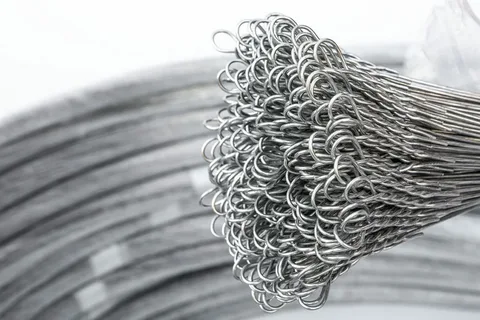
Tie wire is an essential component in construction, agriculture, and various industrial applications. When choosing the right tie wire, two popular types come into focus: Galvanized tie wire and Black annealed tie wire. Understanding the differences, advantages, and drawbacks of each can help you make an informed decision based on your project requirements. In this article, we will explore Galvanized vs. Black Annealed Tie Wire: Pros and Cons to guide you through the selection process.
What is Galvanized Tie Wire?
Galvanized tie wire is steel wire coated with a layer of zinc to protect it from rust and corrosion. This zinc coating acts as a barrier against moisture and environmental elements, making galvanized tie wire highly durable and long-lasting.
Pros of Galvanized Tie Wire
- Corrosion Resistance: The zinc coating offers excellent protection against rust, especially in outdoor or humid environments.
- Durability: It lasts longer than black annealed wire due to its resistance to weathering.
- Low Maintenance: Requires minimal upkeep, reducing overall costs over time.
- Versatility: Suitable for a wide range of applications, including fencing, construction, and packaging.
Cons of Galvanized Tie Wire
- Cost: Generally more expensive than black annealed tie wire due to the galvanizing process.
- Rigidity: Slightly less flexible compared to black annealed wire, making it harder to twist and tie in some cases.
- Coating Wear: The zinc layer can wear off if bent repeatedly, exposing the wire to corrosion.
What is Black Annealed Tie Wire?
Black annealed tie wire is a low-carbon steel wire that undergoes an annealing process to make it soft and pliable. It has a dark finish due to the absence of any protective coating, which gives it a distinct black appearance.
Pros of Black Annealed Tie Wire
- Flexibility: The annealing process makes this wire soft and easy to twist, ideal for tying rebar and other construction materials.
- Cost-Effective: It is generally cheaper than galvanized tie wire, making it a budget-friendly option.
- Strong Grip: Its softness allows for a tight grip when securing materials, which is especially useful in construction.
Cons of Black Annealed Tie Wire
- Susceptibility to Rust: Without any protective coating, black annealed wire can rust quickly if exposed to moisture.
- Shorter Lifespan: Due to corrosion, it may require replacement sooner than galvanized wire in outdoor or humid environments.
- Maintenance: May need additional care or protective treatment if used in environments prone to rust.
Galvanized vs. Black Annealed Tie Wire: Which One Should You Choose?
When deciding between galvanized vs. black annealed tie wire, consider the application and environment where the wire will be used.
- For outdoor or humid conditions, galvanized tie wire is the better choice due to its corrosion resistance and durability.
- For indoor or dry environments, black annealed tie wire is ideal because of its flexibility and cost-effectiveness.
- In construction projects where quick tying and flexibility are crucial, black annealed wire often performs better.
- For long-term outdoor use, galvanized tie wire offers superior longevity and reduced maintenance.
Conclusion
Both galvanized and black annealed tie wires have their unique advantages and disadvantages. By understanding the Galvanized vs. Black Annealed Tie Wire: Pros and Cons, you can select the right type that aligns with your project’s needs, budget, and environmental conditions. Whether you prioritize corrosion resistance or flexibility, this guide ensures a well-informed decision for your next tie wire purchase.
