


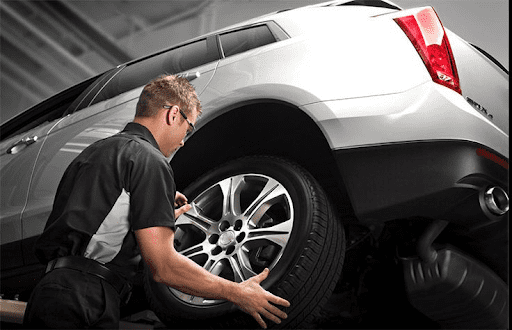
Keeping your tires in good condition is more than just inflating them regularly or rotating them on schedule. One of the most overlooked factors in tire longevity is alignment. It’s not flashy or exciting, but the benefits it brings are real—and measurable. Proper alignment ensures your car drives straight, your ride stays smooth, and your tires wear evenly over time. Without it, even brand-new tires can start to break down far too soon.
Car Tire Alignment Influences Performance
Car tire alignment refers to adjusting the angles of the wheels so that they are set to the car manufacturer’s specifications. This process impacts how your tires make contact with the road. When alignment is accurate, your vehicle handles better, corners more predictably, and uses fuel more efficiently. That balance also means each tire takes on a fair share of the load, minimizing unnecessary stress. Proper Car Tire Alignment directly helps extend the life of your tires by reducing irregular wear patterns.
Signs You Might Need Car Tire Alignment
Misalignment can sneak up on drivers. Maybe you hit a deep pothole or nudged a curb harder than expected. Over time, small impacts can shift your wheel angles just enough to cause wear problems. Look for visual signs, like a crooked steering wheel when driving straight or tires that look more worn on the inside or outside edges. If you find yourself adjusting your steering constantly or feel the car drifting, it’s time to check the alignment.
Routine Inspections Make a Big Difference
A regular alignment check doesn’t take long, but it can save you money and hassle down the road. Most mechanics recommend an alignment every 10,000 to 12,000 kilometers or at least once a year. You don’t need to wait until something feels “off” to schedule one. Prevention is key. Checking alignment as part of your routine vehicle maintenance will help ensure all four tires wear down together, rather than needing to replace just one or two at a time.
Tire Lifespan and Fuel Efficiency Go Hand in Hand
When your wheels are aligned correctly, your car rolls smoothly without dragging or pulling. This reduces resistance and improves gas mileage. Misaligned tires create friction, forcing your engine to work harder and burn more fuel. It’s a double loss—shorter tire life and more trips to the gas station. Something as simple as car tire alignment can positively affect both your wallet and the environment by increasing efficiency and reducing tire waste.
Improved Handling and Safer Driving
Tire health isn’t just about cost. It’s a big part of driving safety. A car with good alignment feels stable and predictable. In emergencies, it reacts more precisely, helping you stay in control. Bad alignment, on the other hand, can lead to dangerous situations—especially in wet or icy conditions. With worn tires and unstable handling, braking distances increase, and traction decreases. Taking the time to check and correct your alignment contributes to a much safer drive.
Conclusion
Tire alignment isn’t just a technical term you hear in passing at the mechanic’s shop. It’s a practical, affordable way to protect your investment in tires and stay safer on the road. Even the best tires won’t last long if your car isn’t properly aligned. By keeping an eye on how your vehicle drives and scheduling alignment checks as needed, you’ll get the most from your tires—mile after mile.
