


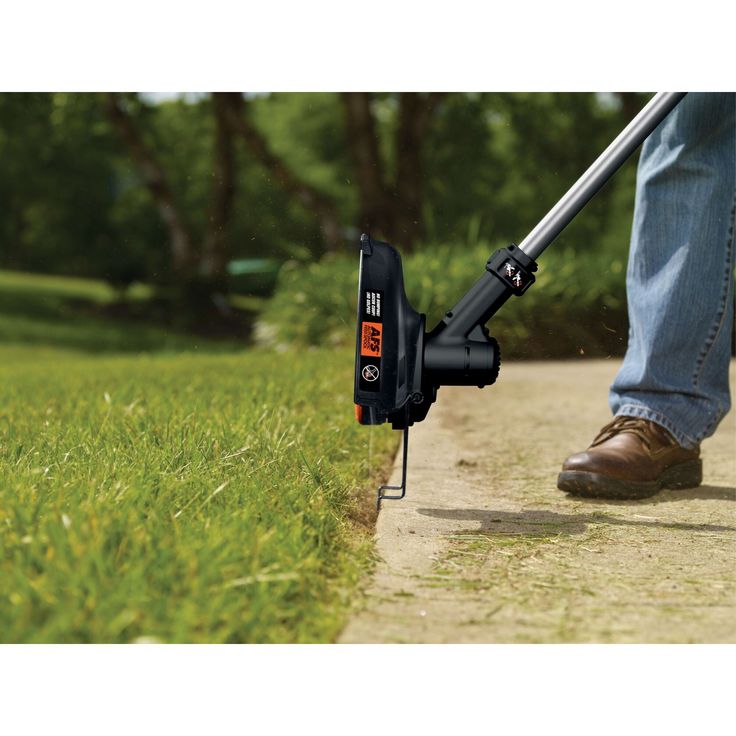
String trimmers are indispensable for achieving a manicured look where lawn mowers can’t reach, and fence lines are a prime example of such areas. However, trimming along fences presents unique challenges and safety considerations. The proximity to hard surfaces, delicate materials, and potential for thrown debris means that a careful approach is essential to protect both your fence and yourself. This article will guide you through the best practices for safely and effectively using a string trimmer along fence lines, ensuring a clean finish without damage.
1. Prioritize Safety Gear and Area Preparation
As with any string trimmer operation, safety is paramount. The risk of thrown debris is heightened when working near hard surfaces like fence posts or wire.
- Wear Full PPE: Always wear ANSI Z87.1-rated safety glasses or goggles, and ideally a full face shield. Hearing protection (earplugs or earmuffs) is crucial, especially for gas trimmers. Heavy-duty work gloves, long pants (or trimmer chaps), and sturdy, closed-toe footwear are also non-negotiable.
- Clear the Fence Line: Before starting, walk the entire fence line and remove any loose rocks, large sticks, pet toys, or other debris that could become dangerous projectiles.
- Check Fence Condition: Inspect the fence for loose wires, splintered wood, or weak spots that could be further damaged by the trimmer. Address these issues before trimming.
- Mind Your Surroundings: Ensure no people, pets, or valuable items (e.g., vehicles, windows) are in the immediate vicinity, as debris can ricochet unexpectedly.
2. Choose the Right Trimmer and Line
The right tool and line can make the job easier and safer.
- Appropriate Power: For typical grass and light weeds along a fence, a battery-powered or corded electric trimmer is often sufficient and quieter. For dense, woody growth, a more powerful gas or high-voltage battery trimmer might be needed, but exercise extra caution.
- Correct Line Gauge: Use the string line diameter recommended for your trimmer. For general fence line trimming, a medium gauge (0.080″ – 0.095″) often provides a good balance of cutting power and durability without being overly aggressive.
- Line Shape: Round line is generally forgiving. Twisted or square lines offer more cutting power but can be more prone to snapping or causing damage on impact with hard surfaces.
3. Master the Technique for Fence Lines
Precision and control are key when trimming along fences.
- Maintain a Shallow Angle: Instead of holding the trimmer head flat, tilt it slightly so that only the very tip of the line makes contact with the grass or weeds. This “feathering” technique allows for controlled cutting and reduces the chance of scalping the lawn or damaging the fence.
- Approach Slowly and Deliberately: Don’t rush. Move the trimmer slowly and steadily along the fence line. This gives you better control and reduces the likelihood of accidental contact.
- Use the Guard as a Guide: Allow the trimmer’s guard to gently ride along the bottom of the fence or fence posts. This acts as a guide, helping you maintain a consistent cutting height and preventing the line from wrapping around posts or digging into the fence material.
- Cut Away from the Fence: Whenever possible, angle your cutting passes so that debris is thrown away from the fence, not towards it. This minimizes impact on the fence material.
- Short Bursts, Not Continuous Power: For especially delicate areas or around fence posts, use short bursts of power rather than continuous full throttle. This gives you more control over the cutting action.
- Avoid Direct Contact: Never intentionally allow the string line to directly hit wood fence posts, vinyl fencing, or metal poles. While the line is designed to cut vegetation, repeated impact on hard surfaces will fray the line rapidly, wear down the trimmer head, and can damage the fence itself (e.g., splinter wood, scratch vinyl, chip paint).
4. Common Pitfalls to Avoid
- Scalping: Cutting the grass too short right at the fence line. This weakens the grass, making it susceptible to weeds and disease.
- Damaging Fence Materials: Repeated impact can splinter wood, scratch vinyl, or chip paint on metal fences.
- Wrapping Line: Allowing the line to wrap around fence posts or wires can cause it to break or jam the trimmer head.
- Ricocheting Debris: Not clearing the area or wearing proper PPE can lead to serious injury from thrown objects.
By following these guidelines, you can safely and effectively use your string trimmer to create clean, professional-looking edges along your fence lines, maintaining both your lawn’s appearance and your property’s integrity.
