


Real-Time Kinematic (RTK) GPS technology has revolutionized precision positioning and navigation across various industries such as agriculture, construction, surveying, and autonomous vehicles. As the demand for higher accuracy and faster data processing grows, it’s crucial to explore Future Trends in rtk gps Technology: What’s Next? to understand how this technology will evolve and shape the future.
Understanding RTK GPS Technology
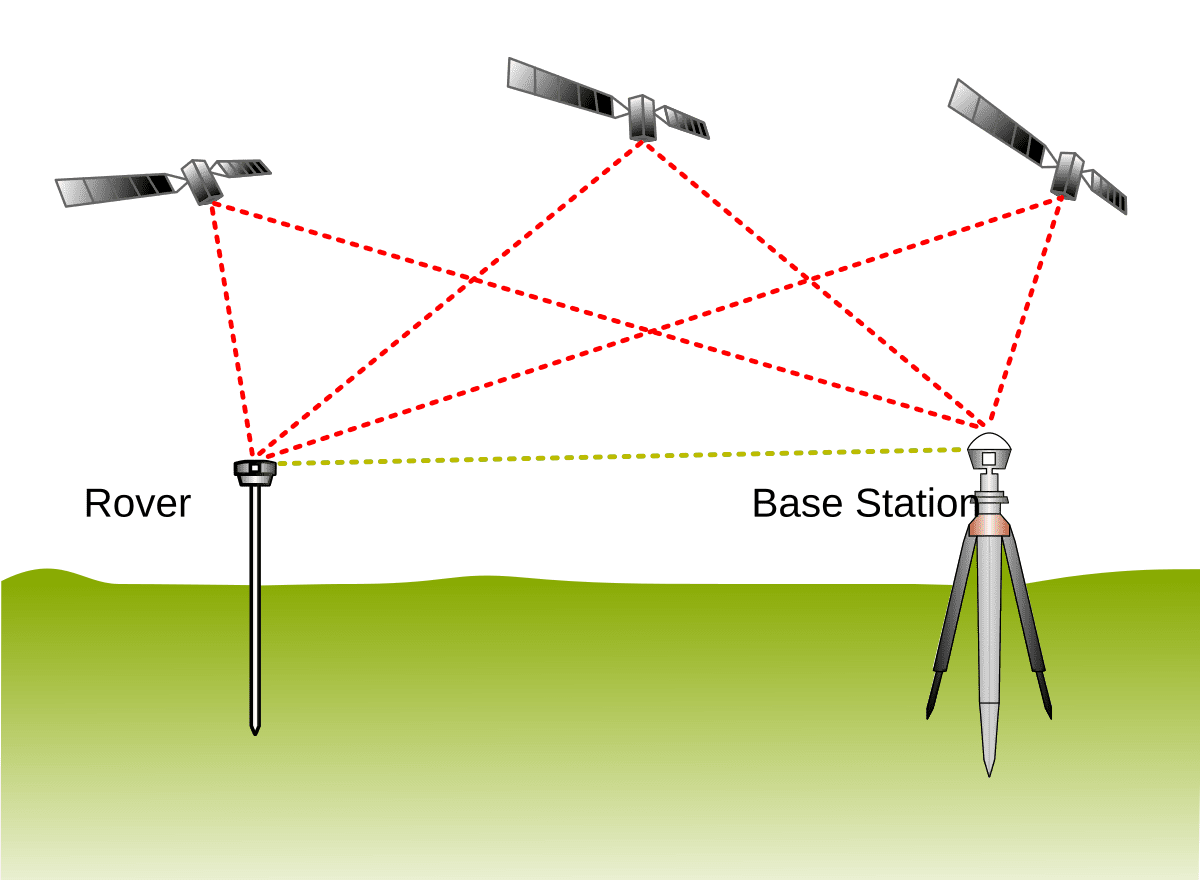
RTK GPS works by using a fixed base station and a mobile receiver to provide centimeter-level accuracy in positioning. This high precision is essential in applications where even small errors can lead to significant consequences. While RTK has already made a substantial impact, ongoing innovations continue to push its capabilities further.
Enhancements in Satellite Constellations
One of the major drivers of improvement in RTK GPS technology is the expansion and modernization of satellite constellations. The integration of new global navigation satellite systems (GNSS) like Galileo (Europe), BeiDou (China), and the modernization of GPS (USA) means more satellites are available, improving signal reliability and accuracy.
This enhancement is a key factor in the Future Trends in RTK GPS Technology: What’s Next?, enabling devices to operate better even in challenging environments such as urban canyons or dense forests.
Integration with 5G and IoT
The rise of 5G networks and the Internet of Things (IoT) is expected to significantly impact RTK GPS systems. Faster data transmission speeds and lower latency will allow real-time corrections to be delivered more efficiently and reliably. This integration will expand RTK applications, making them more accessible in remote areas and supporting innovations like autonomous drones and smart city infrastructure.
The convergence of these technologies is a vital part of the discussion on Future Trends in RTK GPS Technology: What’s Next? as it opens doors to previously unachievable precision and responsiveness.
AI and Machine Learning for Enhanced Accuracy
Artificial Intelligence (AI) and Machine Learning (ML) are poised to optimize RTK GPS by improving error correction algorithms and predictive analytics. These technologies can analyze vast datasets to anticipate signal disruptions caused by weather, multipath interference, or atmospheric conditions.
As AI and ML become more embedded in RTK systems, they will significantly reduce downtime and improve reliability, which is a critical element in the ongoing Future Trends in RTK GPS Technology: What’s Next?
Miniaturization and Cost Reduction
Future RTK GPS devices are expected to become smaller, more power-efficient, and cost-effective. Advances in semiconductor technology and integration will allow RTK receivers to be embedded into a wider variety of devices, from smartphones to wearables, democratizing access to high-precision positioning.
This trend aligns with the overall vision of Future Trends in RTK GPS Technology: What’s Next? by making cutting-edge accuracy available to industries and consumers alike.
Conclusion
The future of RTK GPS technology is bright and full of innovation. From enhanced satellite constellations and 5G integration to AI-powered accuracy and device miniaturization, the trajectory of development promises transformative impacts across multiple sectors. Keeping an eye on these Future Trends in RTK GPS Technology: What’s Next? will help businesses and professionals stay ahead in this fast-evolving field.
