


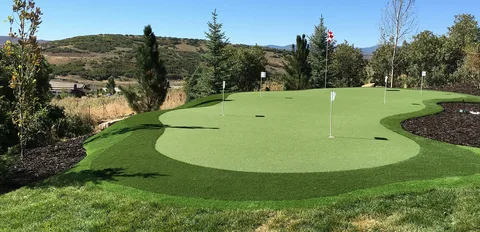
To achieve a polished yard reminiscent of a pristine fairway, consider incorporating a variety of lush grass types, such as Bermuda or Zoysia, known for their durable and aesthetically pleasing qualities. These grasses thrive in sunny areas and can create a rich green canvas that enhances the appeal of your outdoor space.
Strategically placed water features, such as ponds or bubbling fountains, can replicate the tranquil ambiance often found at upscale venues. Opt for natural stones and native plants to create an organic look that blends harmoniously with the surroundings.
Emphasizing symmetry through carefully curated walkways lined with low-maintenance shrubs or flowering perennials can elevate the visual experience. Utilize natural stones or pavers for pathways to complement the organic feel, mimicking the clean lines of a fairway.
Incorporating raised beds filled with colorful blooms or seasonal vegetables can add both vibrancy and functionality to your design. This approach not only draws the eye but also creates a sense of abundance that mirrors the well-kept gardens often seen on thoroughfares.
Creating Elegant Greens: Choosing the Right Grass Types
Selecting the appropriate turf is key to achieving a pristine appearance in your outdoor spaces. Here are some grass types that mirror the lush, manicured aesthetics of professional playing fields:
| Grass Type | Optimal Climate | Maintenance Level | Characteristics |
|---|---|---|---|
| Bermudagrass | Warm | Medium | Durable and resilient, ideal for sunny areas. |
| Fescue | Cool | Low | Deep-rooted and drought-resistant, suited for diverse conditions. |
| Bluegrass | Cool | Medium | Rich color and dense texture; thrives in well-drained soil. |
| Zoysiagrass | Warm | Medium to High | Thick growth with wear resistance, excellent for high-traffic areas. |
| Perennial Ryegrass | Cool | Medium | Quick germination and establishment, ideal for transitional regions. |
For a golf course-like aesthetic, consider a blend of these grasses to create varied textures and colors. Regular maintenance, including aeration and proper irrigation, will ensure your turf maintains its lush appearance. Explore more on tools that can help achieve these results at Garden Machinery Hub.
Incorporating Water Features: Designs Found on the Fairway
To create an inviting outdoor area, integrate water elements reminiscent of lush green venues. Ponds, streams, and waterfalls not only enhance aesthetics but also provide tranquility. Here are specific styles to consider:
- Reflecting Pools: Shallow pools with smooth surfaces mirror surrounding vegetation, offering a calming backdrop.
- Natural Streams: Meandering water flows through the landscape, replicating the gentle courses found on fairways. Use native stones to line the edges for a natural appearance.
- Waterfalls: Incorporate tiered waterfalls cascading into basins, creating soothing sounds. Plant ferns and shade-tolerant flowers around for added beauty.
- Pond Gardens: Large ponds attract wildlife and provide a habitat for plants. Surround them with seating areas for relaxation and enjoyment.
- Fountains: Centralized fountains act as focal points, ideal for patios or entryways. Choose designs that complement existing themes.
Incorporating aquatic features necessitates proper placement and maintenance to ensure balance with flora. Explore more on how to achieve stunning results from Ultimate Fairway.
Strategic Plant Placement: Mimicking Golf Course Aesthetics
Utilize groups of native plants to replicate the arrangements found in premium fairways. Choose shrubs and trees that reflect the local ecosystem to promote harmony within your outdoor space. For instance, arranging clusters of wildflowers near the entrance can create an inviting atmosphere reminiscent of a well-maintained green.
Incorporate layered planting techniques for visual depth. Start with lower-growing species at the forefront that transition to taller varieties, mimicking the tiered look of a tee box. Perennials, such as daylilies or coneflowers, can provide colorful blooms while grasses maintain a clean aesthetic and add movement.
Strategically position ornamental grasses along pathways to guide visitors, akin to the way bunkers serve as natural barriers on the course. Use linear plantings along edges to create defined borders, enhancing both structure and formality within the environment.
Integrate focal points using specimen trees or unique shrubs that draw the eye and pay homage to the iconic trees often found surrounding putting greens. A single, well-placed tree can serve as a visual anchor, much like a beautifully framed hole.
Consider seasonal variations in your selections. Rotating blooming species throughout the year can maintain interest and emulate the dynamic color palette observed in a well-cared-for track. Choose autumn-friendly plants like asters or chrysanthemums that continue to provide visual appeal as the seasons change.
Finally, ensure the spacing of plants allows for growth while also creating an expansive feel, reminiscent of the vastness of open fairways. This careful consideration will enhance the overall ambiance, leading to a relaxed and cohesive outdoor environment.
Pathways and Edging: Designing Walkways Like Tee Boxes
Create pathways that mimic the meticulous layout of tee boxes by using pavers or natural stones. Opt for a mix of materials to achieve texture and depth while ensuring the durability of the surface. Consider wider pathways that allow for easy movement, reflecting the spacious feel of a course’s first tee.
Incorporate Defined Edges
Utilize raised edges made from timber or stone to delineate walkway borders. This not only provides a clear visual path but also helps contain gravel or mulch, keeping the area tidy. Borders should complement nearby vegetation, channeling the feel of manicured greens.
Lighting and Accessibility
Enhance visibility by adding low-voltage lighting along the edges. Fixtures can be integrated into the path’s design to highlight textures, ensuring the paths are both functional and aesthetically pleasing after sunset. Ensure pathways are wide enough for accessibility, much like the generous spaces found on a golf course.
For more insights on creating these beautifully inspired spaces, visit Tommy for Wisconsin.
Lighting Techniques: Highlighting Landscape Features with Style
Utilize uplighting to accentuate trees and large shrubs. Position lights at the base, angling them upwards to create striking shadows against foliage. This technique not only enhances the aesthetic appeal but also adds depth to your settings.
For pathways, install step lights along edges or integrate recessed lighting into the ground. Soft lighting will guide visitors while creating a warm, inviting atmosphere. Ensure the brightness is subtle to maintain a serene ambiance.
Focal Points and Water Features
Direct light towards fountains or ponds for a shimmering effect. Submersible lights can be placed underwater to illuminate features from below, while LED spotlights can be directed at surrounding plants, casting interesting reflections on the water’s surface.
Safety and Functionality
Incorporate functional lighting at entry points, seating areas, and stairs. Use fixtures with the right lumen output to ensure safety without overpowering the scene. Sensor-activated lights can provide convenience and security, illuminating areas only when needed.
Q&A:
What are some key features of golf course landscaping that can be incorporated into residential yards?
Golf courses often showcase expertly manicured greens, carefully placed trees, and water features that enhance the overall aesthetic. To bring elements of this design into a residential yard, homeowners can consider planting well-groomed shrubs, installing small ponds or fountains, and maintaining a vibrant green lawn using modern turf techniques. Additionally, creating defined paths or using natural stones can mimic the structured layout found in golf courses.
How can I use golf course design elements to improve my backyard for entertaining?
Incorporating aspects of golf course design into a backyard can create an inviting atmosphere for gatherings. Features like open grassy areas can serve as spaces for games or picnics, while strategically placed trees or hedges can provide privacy. Adding a patio with comfortable seating and perhaps a fire pit will encourage conversation and socializing, giving your outdoor area a relaxing yet refined look that’s reminiscent of a golf course.
Are there specific plants or grass types used in golf courses that are suitable for a residential setting?
Yes, several grass varieties used on golf courses can thrive in residential settings. For example, Bermuda and Zoysia grasses are popular on golf greens due to their durability and resistance to foot traffic. Homeowners may also consider ornamental grasses or flowering plants often found along course edges, like daylilies or lavender, which can add color and character while being relatively low-maintenance.
What maintenance practices from golf courses can I adopt to keep my lawn looking pristine?
Golf courses implement rigorous maintenance routines that can be adapted for home use. Regular mowing at a correct height keeps grass healthy and promotes growth. Aerating the soil can improve drainage and nutrient absorption. Fertilizing appropriately, based on soil tests, ensures that your lawn receives the right nutrients. Lastly, consistent watering practices, ideally in the early morning or late evening, can help maintain lush greenery without overwatering.
How do golf courses create their signature rolling hills and slopes, and can I replicate that in my yard?
Creating rolling hills in a backyard involves grading the site to establish gentle slopes. This can be done by adding soil to specific areas or removing some from others to achieve the desired elevation. Incorporating plantings that fit well with the contours, such as ground covers or hardy perennials, can further enhance the effect. Retaining walls may also be used to create terrace-like sections, adding dimension and interest similar to that of golf courses.
