


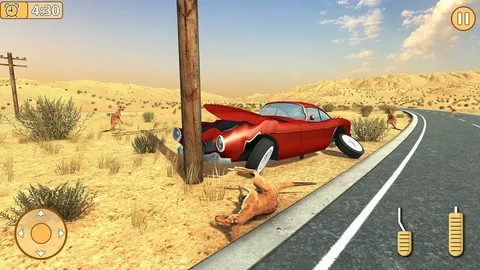
In the hustle and bustle of city life, unusual events often capture the attention of commuters and pedestrians alike. One such curious occurrence that has sparked intrigue and amusement is the sight of Flappy Feet on the Freeway. This quirky phrase not only describes a fascinating spectacle but also highlights an important aspect of urban wildlife interaction.
What Does Flappy Feet on the Freeway Mean?
The phrase Flappy Feet on the Freeway conjures images of small, quick movements—usually the frantic fluttering of bird wings or the scampering of tiny animals trying to cross busy roads. In many cities, especially those surrounded by natural habitats, it’s common to witness birds or small mammals darting across highways, their flapping feet and wings creating a sense of urgency and fragility amidst the roar of traffic.
Why Are Flappy Feet on the Freeway Important to Notice?
Noticing Flappy Feet on the Freeway is more than just an amusing distraction—it serves as a reminder of the impact of urban expansion on wildlife. Roads and highways often cut through natural territories, forcing animals to navigate dangerous crossings. These moments of wildlife interaction with city infrastructure highlight the need for better urban planning and the implementation of wildlife corridors or overpasses in chicken road game.
How to Stay Safe When You Spot Flappy Feet on the Freeway
If you’re driving and notice the telltale sign of Flappy Feet on the Freeway, it’s crucial to stay alert. Sudden appearances of animals on the road can lead to accidents if drivers aren’t careful. Slowing down, maintaining a safe distance from other vehicles, and being ready to stop can prevent tragic outcomes for both humans and wildlife.
Conclusion
Flappy Feet on the Freeway might sound whimsical, but it represents a real and pressing issue in urban environments. It’s a small reminder of the ongoing challenge of coexisting with wildlife as cities grow. The next time you see those flapping feet in the middle of traffic, take a moment to appreciate the resilience of nature—and drive safely.
