


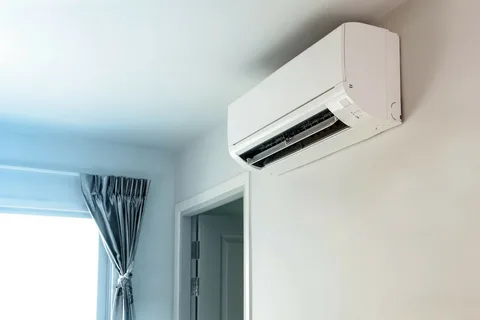
Air conditioning is a staple in homes and businesses, providing relief from the intense heat during the summer months. However, as temperatures rise, so do energy bills, with air conditioner often being one of the main contributors. In this article, we will explore how air conditioners impact energy bills and share tips for improving efficiency to help reduce costs.
The Relationship Between Air Conditioners and Energy Bills
Air conditioners are designed to cool indoor spaces by removing heat and humidity. This process requires a significant amount of energy, particularly in climates where the temperature soars for extended periods. The more you run your air conditioner, the more energy it consumes, directly affecting your electricity bill.
Key factors influencing energy consumption:
- AC Size and Capacity: An air conditioner that is too large or too small for your space can result in inefficient cooling. A larger unit uses more energy than necessary, while a smaller one will have to work harder to cool the room, increasing its energy use.
- Thermostat Settings: The temperature setting on your thermostat significantly impacts energy consumption. Lower settings, like 68°F (20°C), may seem comfortable, but they can drive up your energy bills.
- Age and Condition of the Unit: Older, outdated units are typically less efficient than modern models, which are built with energy-saving features.
- Insulation and Air Leaks: Poor insulation or air leaks in your home can make it harder for the air conditioner to maintain the desired temperature, forcing it to work longer and use more energy.
Tips for Increasing Air Conditioner Efficiency
While air conditioners are an essential part of staying cool, they don’t have to break the bank. Here are several tips to enhance the efficiency of your system and lower your energy bills.
1. Optimize Thermostat Settings
Adjusting your thermostat by just a few degrees can make a significant difference in energy consumption. Set your thermostat to 78°F (25°C) when you’re home and raise it by a few degrees when you’re away. Programmable thermostats can help automate temperature adjustments, ensuring your air conditioner doesn’t run unnecessarily.
2. Regular Maintenance and Cleaning
Routine maintenance is crucial to ensuring your air conditioner runs efficiently. Clean or replace the air filter regularly to maintain proper airflow. Also, ensure that the condenser coils and evaporator coils are free of dirt and debris. This allows the system to cool more effectively, using less energy.
3. Seal Gaps and Insulate Your Home
To minimize the workload of your air conditioner, ensure that your home is well-insulated. Sealing gaps around windows, doors, and ducts can prevent cool air from escaping and warm air from entering, making your air conditioner’s job easier and more energy-efficient.
4. Use Ceiling Fans
Ceiling fans can help circulate cool air more efficiently, allowing you to raise the thermostat setting without sacrificing comfort. They can make a room feel cooler, even if the air conditioner is set to a higher temperature, ultimately reducing the amount of time your AC needs to run.
5. Invest in Energy-Efficient Models
If your air conditioner is old and inefficient, it might be time for an upgrade. Newer models come with advanced technology designed to consume less energy while providing the same level of cooling. Look for units with the ENERGY STAR label, which indicates that they meet energy efficiency standards.
The Impact of Seasonal Usage
Air conditioners are often used seasonally, with high demand during the hottest months of the year. Understanding how these periods impact your overall energy consumption can help you better prepare for spikes in your energy bills.
During peak summer months, air conditioners can account for a large portion of your total energy usage. If you live in a particularly hot region, it’s essential to track your usage patterns and adjust your habits accordingly. For instance, try to avoid using the air conditioner during the hottest parts of the day and limit its use when you’re not at home.
Conclusion
In summary, air conditioners have a significant impact on energy bills, especially during the warmer months when cooling is most needed. By understanding how your air conditioner works and implementing strategies for greater efficiency, you can reduce your energy consumption and lower your monthly bills. Simple adjustments like optimizing thermostat settings, maintaining your unit, and improving your home’s insulation can go a long way in improving efficiency.
