


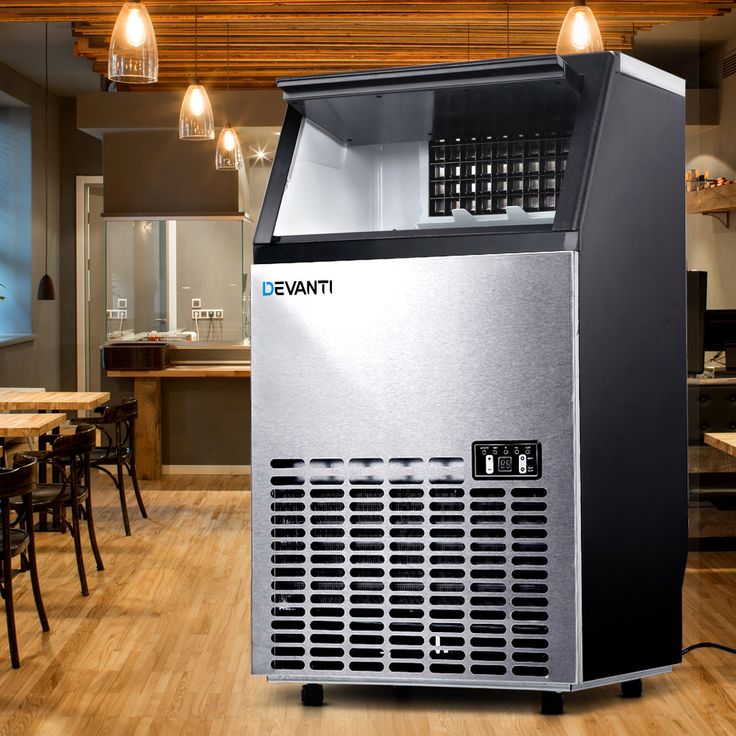
The allure of crystal clear ice, often seen in high-end bars and restaurants, is undeniable. Its pristine appearance, slower melting rate, and pure taste elevate any beverage. While commercial clear ice makers use sophisticated directional freezing technology, you don’t need expensive equipment to achieve similar results at home. With a few simple techniques and a bit of patience, you can consistently produce beautiful, transparent ice cubes that will impress your guests and enhance your drinks clear ice maker.
Understanding the Science of Clarity
The cloudiness in regular ice from a standard ice tray is caused by two main factors:
- Impurities: Minerals, dissolved gases, and other contaminants in tap water.
- Trapped Air Bubbles: As water freezes rapidly from all directions, air bubbles get trapped within the ice structure, making it opaque.
The key to clear ice is directional freezing, which allows water to freeze slowly from one direction, pushing impurities and air bubbles to an unfrozen area, where they can be discarded.
Method 1: The Cooler Method (Most Effective)
This is widely considered the most reliable method for producing large quantities of clear ice at home.
- What You Need:
- A small, insulated cooler (a common 6-pack or 12-pack cooler works well).
- Clean, filtered water (tap water can work, but filtered is better).
- A knife or ice pick (for breaking the ice block).
- A cutting board.
- Steps:
- Fill the Cooler: Pour filtered water into the cooler. The amount of water will determine the size of your clear ice block. Leave about an inch or two of space from the top.
- Place in Freezer: Put the cooler (without its lid) into your freezer. The insulation of the cooler will cause the water to freeze from the top down, or from the sides inward, pushing impurities and air to the bottom or center.
- Monitor Freezing: This is the crucial part. Freezing time can vary significantly (18-36 hours) depending on your freezer’s temperature and the cooler’s size. You want the ice to be mostly frozen, but with a small amount of unfrozen water, or a cloudy section, at the very bottom where the impurities have collected. If it freezes completely, the impurities will be trapped.
- Remove and Rest: Once mostly frozen, remove the cooler from the freezer. Let it sit at room temperature for 15-30 minutes. This allows the ice block to slightly thaw from the edges, making it easier to remove.
- Extract the Block: Flip the cooler over onto a cutting board. The clear ice block should slide out. You’ll likely see a cloudy section at the bottom or center – this is where the impurities have been pushed.
- Cut the Ice: Use a sharp, sturdy knife or ice pick to score and then break the clear ice into desired cube sizes. Discard the cloudy section.
- Store: Store your crystal clear ice cubes in a freezer bag or airtight container in your regular freezer.
Method 2: Insulated Ice Trays/Molds (Convenient)
Several products on the market use the directional freezing principle in a more compact, tray-like format.
- What You Need:
- An insulated clear ice mold system (e.g., True Cubes, ClearlyFrozen, Whiskey Ball ClearCube).
- Clean, filtered water.
- Steps:
- Assemble and Fill: Follow the specific instructions for your mold system. Generally, you’ll fill a water reservoir, place the ice cube molds into it, and then place the entire insulated system into your freezer.
- Freeze: The insulation will direct the freezing process, pushing impurities into a bottom reservoir or a designated cloudy section. Freezing time is typically 12-24 hours.
- Harvest: Once frozen, remove the clear ice cubes from the molds. The cloudy water or ice at the bottom of the system is discarded.
- Store: Store the clear ice in your freezer.
Tips for Best Results
- Use Filtered Water: While not strictly necessary for directional freezing, filtered water reduces the initial impurity load, leading to even clearer ice.
- Boil Water (Optional): Some people boil water twice and let it cool before freezing to remove dissolved gases. While it can help, directional freezing is the primary driver of clarity.
- Control Freezer Temperature: A freezer that’s too cold can cause water to freeze too quickly, hindering directional freezing. Aim for a consistent 0°F (-18°C).
- Patience is Key: Don’t rush the freezing process. Slow freezing is essential for pushing out impurities.
- Temper Your Ice: After cutting, if your clear ice cubes crack when added to a drink, it’s due to thermal shock. Let them sit at room temperature for a few minutes (5-10) before using them to temper them.
Conclusion
Making crystal clear ice at home is a rewarding endeavor that significantly enhances your drinking experience. Whether you opt for the DIY cooler method or a convenient insulated mold system, mastering directional freezing will allow you to consistently produce beautiful, slow-melting, and pure ice cubes, transforming every sip into a moment of sophisticated enjoyment.
