


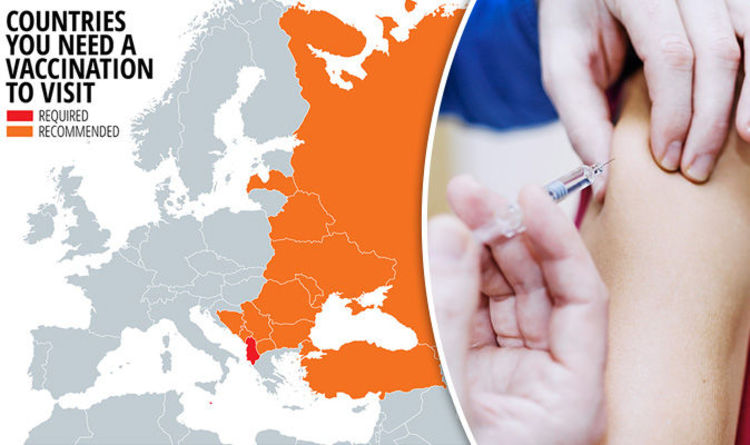
Traveling internationally is an exciting experience, offering new cultures, cuisines, and adventures. However, it also exposes travelers to health risks that may not be common in their home country. To stay safe, it is essential to protect yourself on the road by being aware of the recommended travel vaccinations for your destination.
Why Vaccines Are Crucial for International Travel
When visiting foreign countries, you may encounter diseases that are rare or non-existent in your home country. Vaccines help your immune system fight off infections such as yellow fever, hepatitis, typhoid, and more. Not only do they safeguard your health, but they also protect the communities you visit and prevent the spread of diseases globally.
Core Vaccines for Most Travelers
Before planning your international trip, consider the following key vaccines:
1. Hepatitis A and B
Hepatitis A is commonly spread through contaminated food and water, while Hepatitis B is transmitted via blood and bodily fluids. Both vaccines are highly recommended for travelers heading to areas with lower sanitation standards or high rates of infection.
2. Typhoid
Typhoid fever is another food and waterborne illness prevalent in South Asia, parts of Africa, and Latin America. The typhoid vaccine is essential for travelers who will be visiting rural areas or staying in conditions where food hygiene may be uncertain.
3. Yellow Fever
For trips to certain parts of Africa and South America, yellow fever vaccination is mandatory. Many countries even require proof of vaccination for entry.
4. Routine Vaccines
Don’t forget standard vaccines such as measles, mumps, rubella (MMR), influenza, and tetanus. Keeping these up-to-date is a critical step to protect yourself on the road from common illnesses.
Special Considerations
Some destinations may require additional vaccines based on local outbreaks, climate, or activities you plan to engage in. For example, Japanese encephalitis is recommended for extended stays in rural Asia, while rabies vaccination is advised if you may come in contact with animals. Consulting a travel medicine specialist several weeks before departure is the safest approach.
Tips to Protect Yourself on the Road
- Schedule Vaccinations Early – Some vaccines require multiple doses or take weeks to develop full immunity.
- Carry Documentation – Keep your vaccination records accessible; some countries check for proof upon entry.
- Practice General Health Safety – Combine vaccines with safe food, clean water, and insect protection practices.
Conclusion
Travel is rewarding, but it comes with health responsibilities. By understanding which vaccines are essential for your destination, you can confidently protect yourself on the road and enjoy your journey without unnecessary risks. Staying informed and proactive ensures that your international adventures remain safe and memorable.
