


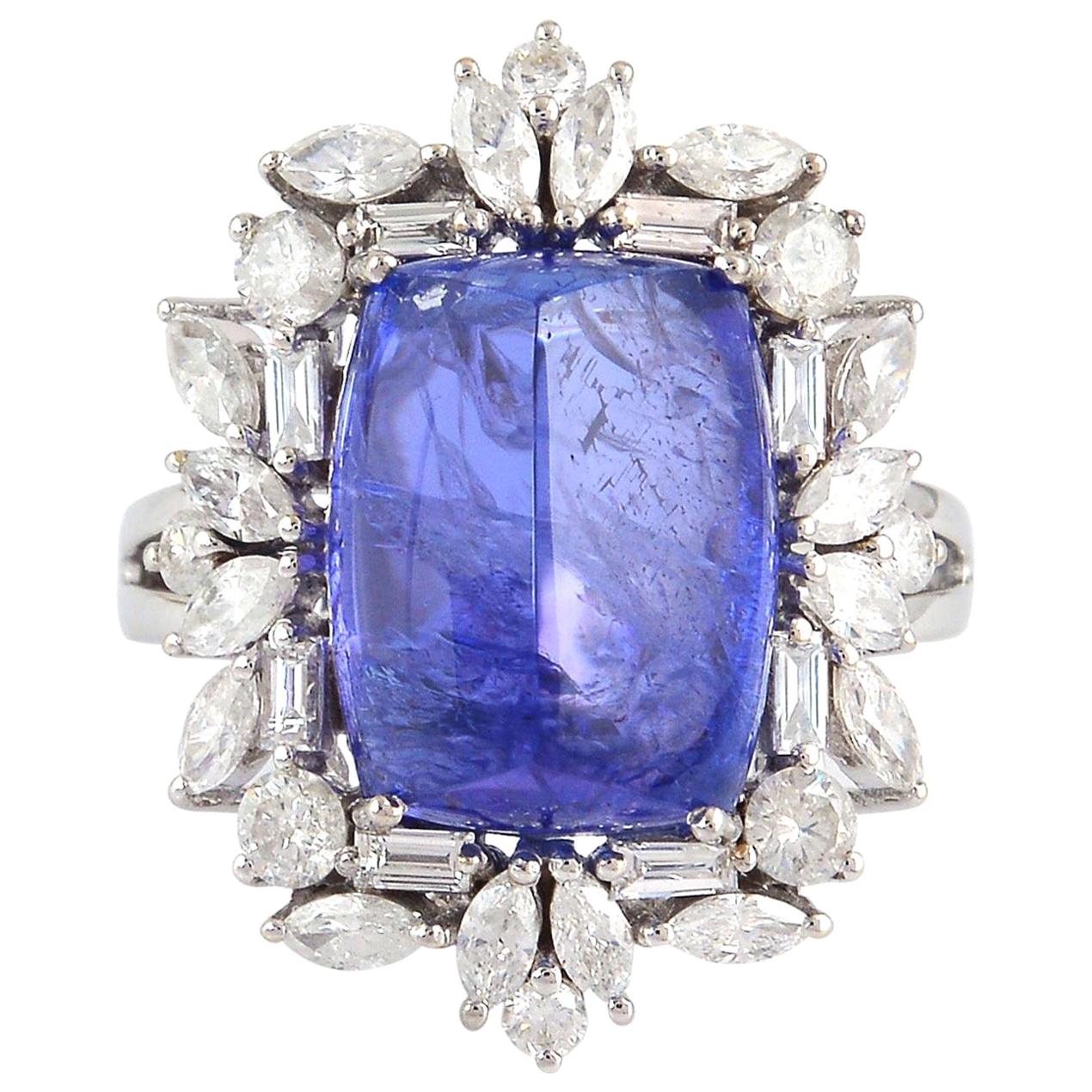
When it comes to choosing the perfect gemstone for a piece of jewelry, two stones often stand out in terms of beauty and allure: tanzanite jewelry and Sapphire. Both are stunningly gorgeous and carry significant value, but how do they compare? This article will explore the key differences, similarities, and unique features of these two gemstones to help you decide which reigns supreme in the world of fine jewelry.
Tanzanite vs. Sapphire: An Overview
Both Tanzanite and Sapphire belong to the corundum family, making them cousins in the world of gemstones. However, they differ in terms of their origins, color, and rarity, each offering distinct characteristics that can influence the decision of buyers and collectors alike.
Tanzanite, discovered in 1967 in Tanzania, is a relatively new gemstone to the market, yet its striking blue-to-violet color has captivated the jewelry world. Its rarity—being found only in one location on Earth—adds to its appeal.
Sapphire, on the other hand, has a much longer history. While typically associated with a rich, royal blue, sapphires actually come in a variety of colors, including pink, yellow, and green. The blue sapphire, however, remains the most iconic and is considered one of the “Big Three” gemstones alongside emerald and ruby.
Color Comparison: Tanzanite vs. Sapphire
One of the main factors that set Tanzanite and Sapphire apart is their color. While both gemstones exhibit beautiful blue hues, their shades can vary significantly.
- Tanzanite: Known for its unique blue-violet hue, Tanzanite can shift in color depending on the lighting. In daylight, it often appears blue, but under incandescent light, it can lean more toward a deep purple or violet. This color-changing characteristic, known as pleochroism, is one of the factors that make Tanzanite so distinctive and sought after.
- Sapphire: Though sapphires are most famously blue, they can come in a wide range of colors, from deep blue to pale blue and even shades of purple, green, and yellow. The blue sapphire’s color is defined by its intensity, with the most prized stones being deep blue, often referred to as “Royal Blue.” The appeal of Sapphire lies in its consistency of color, making it a more predictable choice for those who want a traditional gemstone.
Rarity and Availability: Tanzanite vs. Sapphire
When it comes to rarity, Tanzanite takes the lead. This gemstone is only found in a small region near Mount Kilimanjaro in Tanzania, making it an incredibly rare and valuable stone. In fact, Tanzanite’s exclusivity adds to its desirability and price tag. Mining operations in the area are limited, and the future of Tanzanite extraction is uncertain, meaning that it could become even rarer in the coming decades.
Sapphire, however, is more widely available. While the finest blue sapphires come from regions like Sri Lanka, Myanmar, and Kashmir, sapphires can be found in numerous locations around the world. Their availability and diverse color range make them more accessible for a wider audience.
Durability and Hardness: Tanzanite vs. Sapphire
Both Tanzanite and Sapphire are durable gemstones, but there are key differences in their hardness.
- Tanzanite: With a hardness of 6.5 to 7 on the Mohs scale, Tanzanite is relatively softer compared to Sapphire. While it is suitable for most types of jewelry, it is more prone to scratching or chipping if not properly cared for. Tanzanite should be handled with care and may not be ideal for high-impact jewelry pieces like engagement rings worn every day.
- Sapphire: With a hardness of 9 on the Mohs scale, Sapphire is one of the hardest gemstones available. This makes it an excellent choice for engagement rings and other jewelry that will be worn frequently. Sapphire’s durability ensures it can withstand the rigors of daily wear without significant damage.
Price and Value: Tanzanite vs. Sapphire
When it comes to price, Tanzanite can be more expensive than Sapphire, especially for larger or more vivid stones. Its rarity and the fact that it is found in one specific location make it more valuable. However, Tanzanite prices can vary based on factors like size, color, and clarity.
Sapphire is generally more affordable than Tanzanite, especially when considering its wider availability and established presence in the jewelry market. The price of a Sapphire is heavily influenced by its color, with stones from regions like Kashmir and Myanmar commanding premium prices. However, Sapphire offers a wider range of options, making it easier to find a piece that fits various budgets.
Tanzanite vs. Sapphire: Which Should You Choose?
Choosing between Tanzanite and Sapphire ultimately comes down to personal preference and the specific characteristics you’re looking for in a gemstone.
- Choose Tanzanite if you love unique, color-changing stones with a deep, rich blue-violet hue. Its rarity and distinctiveness make it perfect for those seeking something extraordinary, but be mindful of its softer nature.
- Choose Sapphire if you want a gemstone with timeless appeal, exceptional durability, and a variety of color options. Sapphire is ideal for those looking for a traditional, long-lasting stone that can be worn every day without concern for wear and tear.
Conclusion: The Final Verdict
In the battle of Tanzanite vs. Sapphire, neither gemstone is definitively “better” than the other; it all depends on what you value most in a gemstone. Tanzanite stands out for its unique color-changing properties and rarity, while Sapphire offers unmatched durability and a broader range of colors. Both stones have their own appeal, so whether you’re drawn to the striking violet hues of Tanzanite or the deep, rich blue of Sapphire, you can’t go wrong in selecting either for your next piece of jewelry.
