


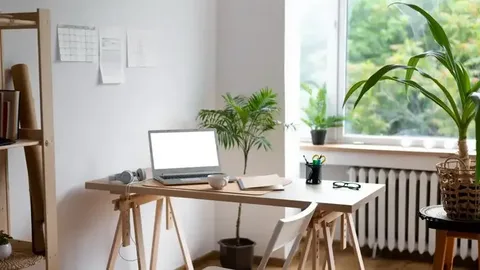
As remote work becomes increasingly common, the importance of a well-designed home office has never been more crucial. More than just a workspace, your home office can significantly impact your productivity, creativity, and mental well-being. This is where the psychology of space comes into play — a concept that explores how our surroundings affect our thoughts, emotions, and behaviors. By understanding this psychology, you can design a home office that not only supports your work but also keeps you motivated and inspired every day.
Understanding the Psychology of Space
The psychology of space delves into how the physical environment influences our psychological state. Factors such as lighting, color, layout, noise levels, and even scent can affect our concentration, energy levels, and mood. A cluttered room may induce stress, while a bright and open space can lift your spirits and sharpen your focus.
When designing a home office, integrating elements that promote positive psychological responses is essential. This doesn’t necessarily mean expensive furniture or high-tech gadgets — sometimes, small, thoughtful adjustments make the biggest difference.
Elements of a Motivating Home Office
1. Lighting Matters
Natural light is a key player in the psychology of space. It boosts serotonin levels, helping to improve mood and energy. Position your desk near a window if possible, and supplement with warm, ambient lighting for gloomy days.
2. Declutter and Organize
Clutter competes for your attention, making it harder to focus. A clean and organized workspace reduces cognitive overload and creates a sense of control. Invest in practical storage solutions to maintain a tidy environment.
3. Use of Color Psychology
Color impacts how we feel. Blues and greens are calming and ideal for concentration, while yellows can inspire creativity. Choose a palette that aligns with your work style and personal taste.
4. Comfortable Ergonomics
An uncomfortable chair or poorly placed monitor can lead to physical discomfort, which drains motivation. Choose ergonomic furniture that supports your posture and encourages sustained focus.
Personalization and Inspiration
A home office should reflect your personality and inspire you. Add elements that spark joy or creativity — a vision board, framed quotes, indoor plants, or artwork. Personal touches play a significant role in the psychology of space, as they help create an emotional connection to your workspace, making it a place you want to return to.
Sound and Scent: The Overlooked Details
Noise control is often overlooked but critical. Soft background music or white noise can aid concentration, while noise-canceling headphones are a great investment if your home is bustling. Scent also affects mood — consider essential oils like peppermint for energy or lavender for calm.
Conclusion
Designing a home office that keeps you motivated involves more than just aesthetics. It’s about creating a space where form meets function, and where every element serves to uplift your mind and body. By applying the psychology of space, you can transform your home office into a sanctuary of productivity, balance, and inspiration — a place where you not only work but thrive.
