


Agriculture has always been a cornerstone of human civilization, but in recent years, technology has begun to revolutionize the way we approach farming. Data-driven agriculture, the practice of using data analysis and technology to make more informed decisions in farming, has become a game-changer for farmers worldwide. By harnessing the power of data, farmers can optimize crop production, reduce waste, improve sustainability, and ultimately increase profitability. In this article, we will explore the key benefits of data-driven agriculture and how it is transforming the precision agriculture industry.
What is Data-Driven Agriculture?
Data-driven agriculture refers to the use of technologies such as sensors, satellite imaging, GPS, and data analytics to gather and process data about crops, soil, weather, and equipment. This data is then analyzed to help farmers make more informed decisions about planting, irrigation, fertilization, pest control, and harvesting. The goal is to maximize efficiency and minimize costs while promoting sustainable farming practices.
Key Benefits of Data-Driven Agriculture
Data-driven agriculture offers numerous advantages that can benefit both small-scale and large-scale farmers. Let’s break down the primary benefits:
1. Increased Crop Yields and Productivity
By using data to monitor soil conditions, weather patterns, and crop health, farmers can better understand the needs of their crops. With the right data, they can apply the optimal amount of water, fertilizer, and pesticides at the right times. This leads to healthier crops, reduced wastage, and higher yields.
For instance, precision farming techniques, such as variable rate application (VRA), allow farmers to apply inputs like fertilizers based on soil variability. This targeted approach ensures that each part of the field receives exactly what it needs, rather than a one-size-fits-all solution.
2. Improved Resource Management
Understanding the benefits of data-driven agriculture extends to better resource management, including water, soil, and energy. With precise data on soil moisture levels, temperature, and nutrient availability, farmers can make informed decisions about irrigation and fertilization, reducing water and resource waste.
Farmers can also use technology like drone surveillance or soil sensors to monitor crop health remotely, saving time and reducing labor costs. This leads to more efficient operations and a lower environmental footprint, as less water and fewer chemicals are used.
3. Cost Efficiency and Reduced Waste
Data-driven agriculture allows farmers to optimize their operations, reducing unnecessary costs. By using real-time data on crop conditions and market trends, farmers can adjust their practices to avoid overproduction or underproduction. For example, predictive analytics can help forecast demand and market prices, enabling farmers to plant crops with higher profitability potential.
Additionally, with data-driven insights, farmers can reduce waste by applying inputs only when necessary. For example, sensors can monitor nutrient levels in the soil and suggest fertilizer applications only when they are needed, thus minimizing the environmental impact and reducing input costs.
4. Sustainability and Environmental Benefits
One of the most significant advantages of data-driven agriculture is its positive impact on sustainability. By using data to monitor and manage resources more efficiently, farmers can reduce the environmental footprint of their operations. Precision farming techniques help reduce the use of fertilizers, pesticides, and water, which can have detrimental effects on the environment when used in excess.
Additionally, data-driven agriculture can help farmers adopt sustainable practices such as crop rotation and soil health monitoring, which improve long-term soil fertility and ecosystem balance. These practices contribute to maintaining biodiversity and reducing the environmental impact of farming.
How Technology Drives Data-Driven Agriculture
To fully understand the benefits of data-driven agriculture, it’s essential to understand the technologies that enable it. Some of the key technologies used in modern farming include:
- IoT Sensors: These sensors collect data on soil moisture, temperature, and other environmental conditions, which can be used to adjust irrigation and fertilization in real-time.
- GPS and Satellite Imaging: GPS allows farmers to precisely map and monitor their fields, while satellite imagery provides a bird’s-eye view of crop health, enabling better planning and decision-making.
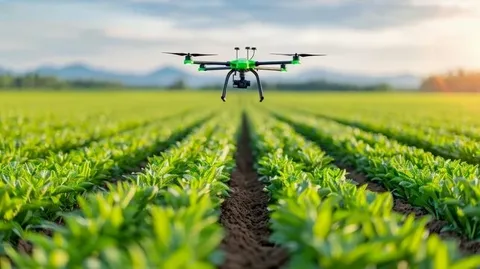
- Drones and Aerial Imaging: Drones are increasingly being used to monitor crop health, detect pest infestations, and assess overall field conditions. Aerial images help identify problem areas quickly, reducing the need for manual inspections.
- Data Analytics and AI: By leveraging big data and artificial intelligence, farmers can predict crop performance, detect anomalies, and gain insights into optimal farming practices. AI-powered software can also assist with precision planting and automated machinery.
Conclusion
In conclusion, understanding the benefits of data-driven agriculture is essential for anyone involved in the farming industry. From increasing crop yields and optimizing resource use to reducing costs and enhancing sustainability, data-driven approaches are reshaping modern agriculture. As technology continues to advance, the potential for data-driven agriculture to solve some of the biggest challenges facing the world’s food production system is immense.
