


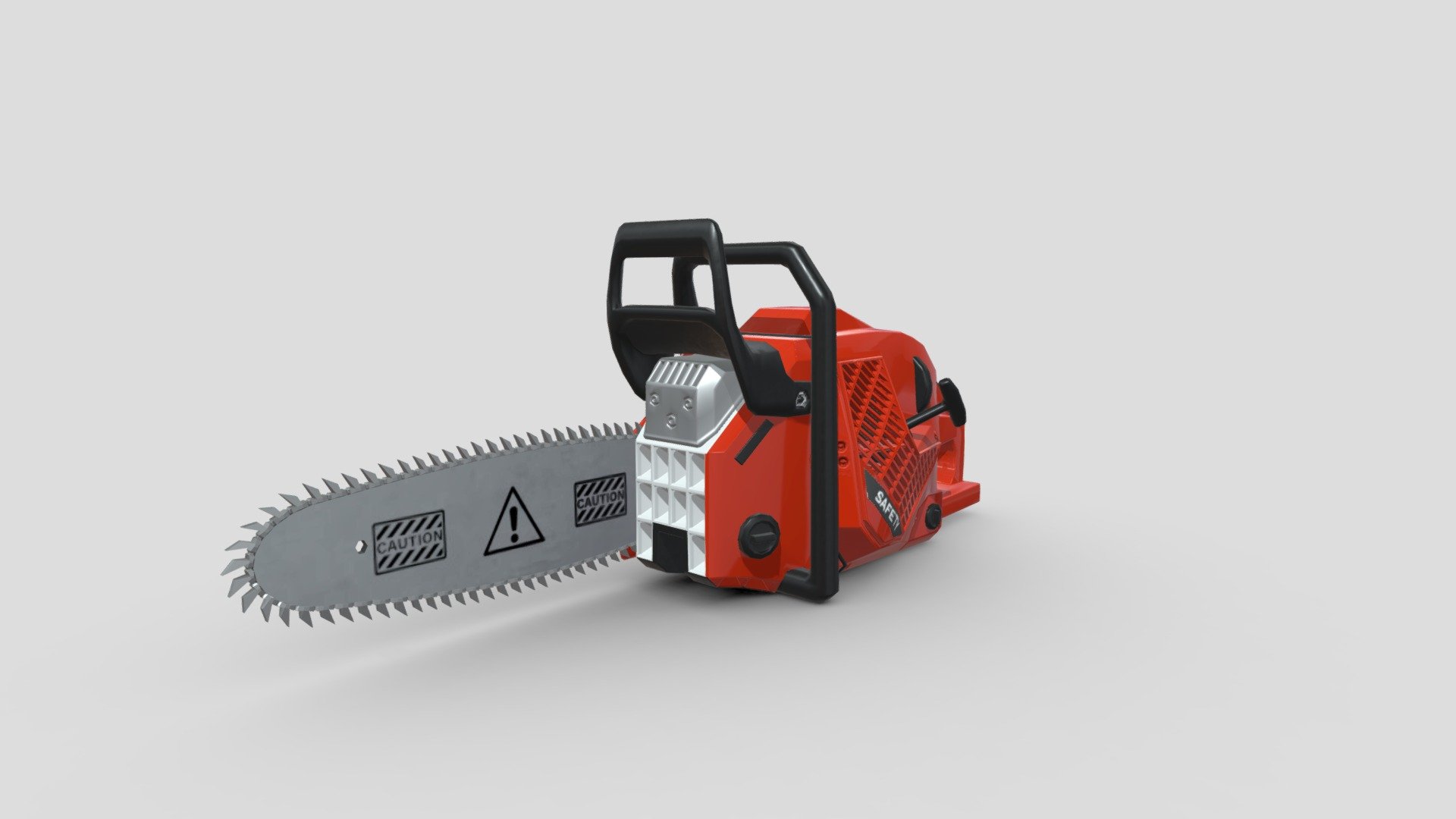
Choosing the right chainsaw can make a huge difference in both the quality of your work and your overall safety. With numerous options available, the debate often comes down to electric vs gas chainsaws: which one is best? In this article, we’ll break down the differences, benefits, and drawbacks of each type to help you make an informed decision.
Overview of Chainsaw Types
Chainsaws are primarily available in two types: electric and gas-powered. Each has its unique features that make it suitable for different users and tasks.
Electric Chainsaws
Electric chainsaws are powered by either a corded connection or a rechargeable battery. They are lightweight, quieter, and easier to maintain than gas models. Because they don’t require fuel or oil mixing, they are user-friendly and ideal for beginners or casual users.
Pros of Electric Chainsaws:
- Lightweight and easy to handle
- Low maintenance requirements
- Environmentally friendly and quieter
- Instant start with the push of a button
Cons of Electric Chainsaws:
- Limited cutting power for heavy-duty tasks
- Corded models restrict mobility
- Battery models may require charging time
Gas Chainsaws
Gas chainsaws are powered by a gasoline engine, making them much more powerful and suitable for demanding tasks like felling large trees or cutting thick logs. They are preferred by professional landscapers and experienced users who need high performance.
Pros of Gas Chainsaws:
- High power and performance for tough jobs
- Greater mobility compared to corded electric models
- Can handle continuous heavy-duty cutting
Cons of Gas Chainsaws:
- Heavier and harder to maneuver
- Noisy and produces exhaust emissions
- Requires regular maintenance and fuel mixing
Electric vs Gas Chainsaws: Key Considerations
When deciding between electric vs gas chainsaws: which one is best?, consider your needs, experience level, and the type of tasks you plan to perform.
- Frequency of Use: Electric chainsaws are perfect for occasional trimming or small projects, while gas chainsaws excel in frequent, heavy-duty tasks.
- Mobility: Corded electric chainsaws are limited by power cords, whereas gas models offer complete freedom of movement.
- Maintenance: Electric chainsaws require minimal upkeep, whereas gas chainsaws demand regular maintenance and fueling.
- Environmental Impact: Electric models are cleaner and quieter, while gas chainsaws produce emissions and noise.
Conclusion
So, electric vs gas chainsaws: which one is best? The answer depends on your specific needs. If you are a casual user or concerned about ease of use and environmental impact, an electric chainsaw is the ideal choice. However, if you need maximum power, mobility, and are tackling heavy-duty jobs, a gas chainsaw is likely the better option. By understanding the differences and evaluating your requirements, you can make the choice that ensures both efficiency and safety.
