


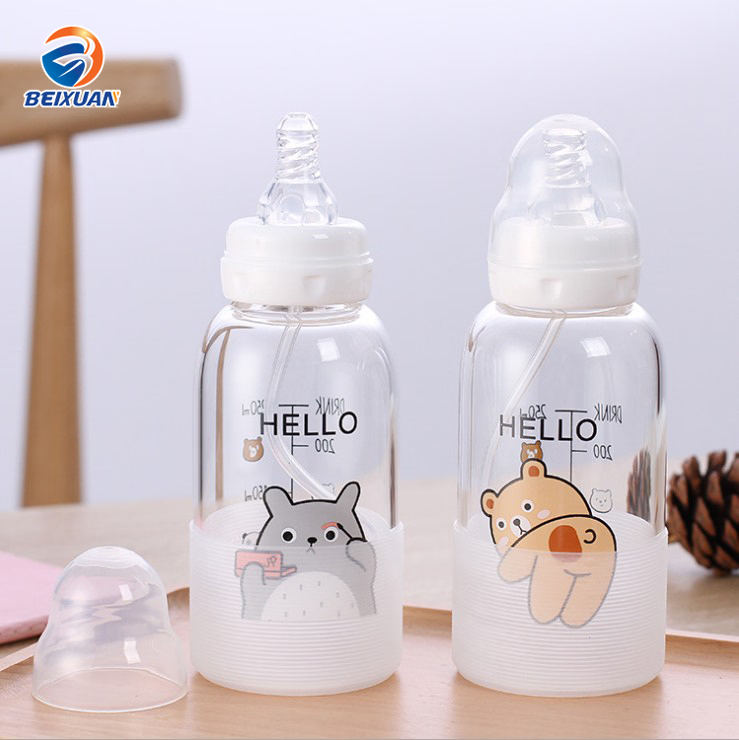
Choosing feeding essentials for a newborn can feel overwhelming for new parents, especially when safety, comfort, and durability are top priorities. Among the many options available, glass bottles are becoming increasingly popular due to their hygiene and long-lasting quality. This guide will walk you through How to Choose the Best infant glass bottles for Your Newborn in a simple and practical way.
Why Glass Bottles Are a Smart Choice
Before learning How to Choose the Best Infant Glass Bottles for Your Newborn, it helps to understand why many parents prefer glass over plastic.
Glass bottles are:
- Free from harmful chemicals like BPA and phthalates
- Resistant to odor and staining
- Easier to sterilize thoroughly
- Long-lasting and environmentally friendly
Because of these advantages, many pediatricians recommend glass bottles for parents who prioritize purity and safety.
Key Safety Features to Look For
When deciding How to Choose the Best Infant Glass Bottles for Your Newborn, safety should always come first.
Look for bottles that include:
Tempered or Heat-Resistant Glass
Tempered glass is stronger and less likely to break under temperature changes, making it safer for daily use and sterilization.
Protective Silicone Sleeves
A silicone sleeve helps prevent breakage if the bottle is dropped and also improves grip during feeding.
BPA-Free Components
Even though glass itself is safe, the nipple and cap should also be BPA-free and made from baby-safe materials.
Choosing the Right Nipple Design
Another important step in How to Choose the Best Infant Glass Bottles for Your Newborn is selecting the right nipple.
Consider:
- Flow rate: Slow flow is best for newborns to prevent choking
- Shape: Wide-neck nipples often mimic breastfeeding more closely
- Material: Silicone nipples are durable and hygienic
A well-designed nipple can make feeding easier and help reduce colic or gas issues.
Size and Feeding Needs
Newborns usually consume small amounts of milk, so bottle size matters.
- 0–3 months: 120 ml to 150 ml bottles are ideal
- 3+ months: Larger bottles (240 ml or more) may be needed
Understanding feeding stages is essential in How to Choose the Best Infant Glass Bottles for Your Newborn, as it ensures you don’t over- or under-buy.
Ease of Cleaning and Sterilization
Glass bottles are generally easier to clean than plastic ones, but design still matters.
Look for:
- Wide-neck openings for easy brushing
- Fewer parts for quick assembly
- Compatibility with sterilizers or boiling methods
Good hygiene practices are a major part of How to Choose the Best Infant Glass Bottles for Your Newborn and help keep your baby safe from bacteria.
Durability and Daily Use
Although glass is fragile compared to plastic, modern baby bottles are designed for durability.
To improve longevity:
- Choose thick, reinforced glass
- Always use a silicone sleeve
- Avoid sudden temperature changes
Durability plays a big role in How to Choose the Best Infant Glass Bottles for Your Newborn, especially for daily feeding routines.
Final Thoughts
Understanding How to Choose the Best Infant Glass Bottles for Your Newborn comes down to balancing safety, comfort, and practicality. By focusing on high-quality materials, the right nipple design, proper size, and easy cleaning, parents can confidently select bottles that support healthy feeding habits from day one.
