


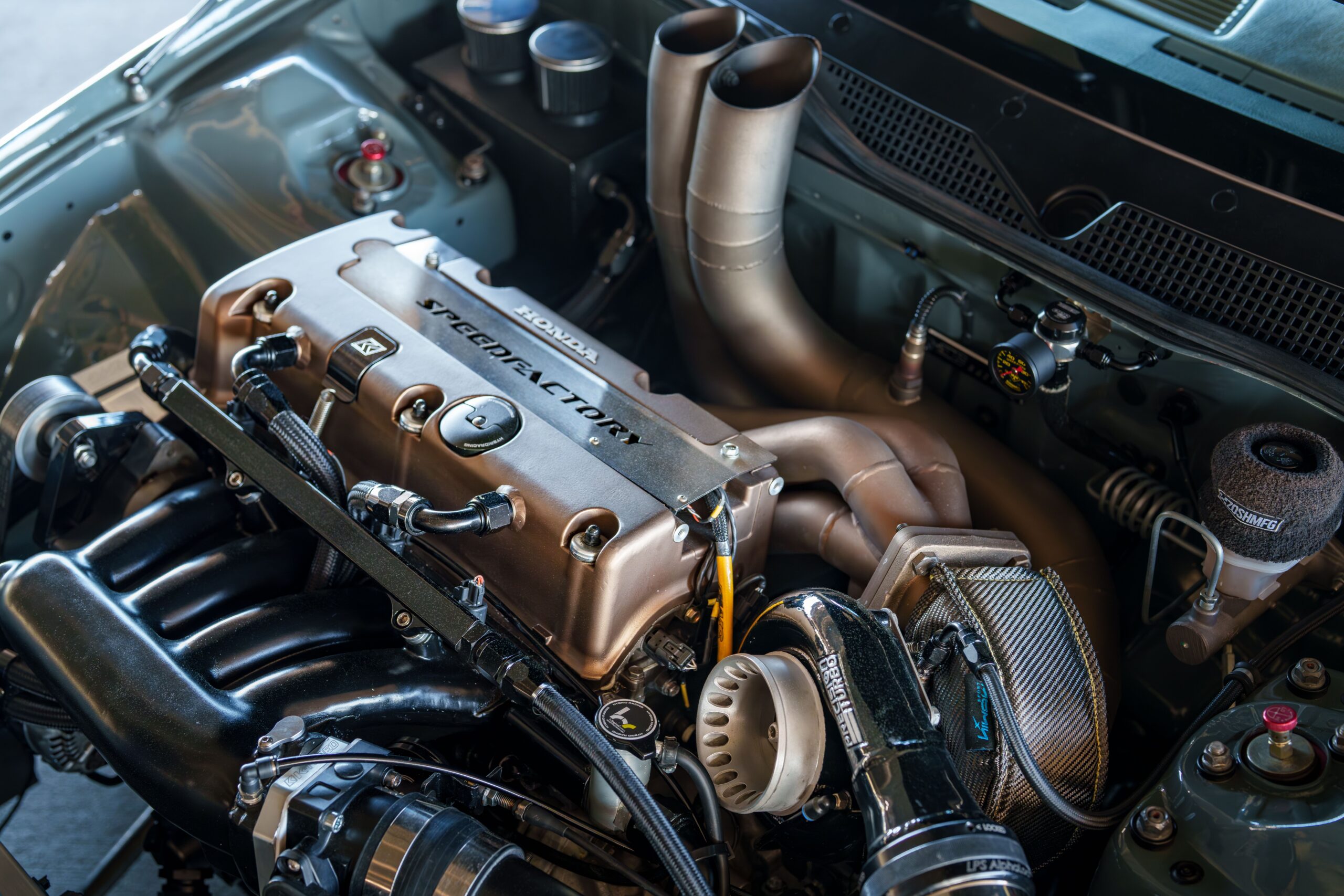
Upgrading a diesel truck offers truck owners a dramatic increase in towing power and overall engine performance. Swapping out factory parts for aftermarket components completely changes how a vehicle responds under heavy loads. Understanding what steps to take before making this major mechanical change ensures a smooth transition to higher horsepower.
Assessing Driving Goals and Performance Needs
Every truck owner uses their vehicle differently depending on daily work demands and personal hauling needs. Someone who hauls heavy equipment through mountain passes requires a very different setup than someone wanting quick street acceleration. Identifying primary driving habits early helps narrow down the exact size and style of equipment needed for the job.
Choosing an oversized unit often creates sluggish throttle response at lower engine speeds, commonly known as turbo lag. A balanced setup provides immediate power delivery without sacrificing fuel economy during routine highway driving. Matching performance upgrades to real-world driving habits prevents costly mistakes and ensures long-term driving satisfaction. Taking the time to evaluate how you actually use your truck every day will point you directly toward the right hardware choice.
Evaluating Fuel System and Airflow Capabilities
Installing a larger forced-induction unit requires significantly more air and fuel to generate reliable horsepower gains. Stock fuel injectors and stock fuel pumps often struggle to supply enough diesel to support high-boost applications. Upgrading these factory components early prevents fuel starvation and ensures your engine can safely sustain increased boost levels.
Upgrading fuel delivery components alongside airflow parts guarantees that the engine receives proper fuel pressure under heavy load. This balanced approach prevents lean conditions that can quickly damage your engine.
Exhaust gas temperatures can rise rapidly when pushing an engine beyond factory performance limits without proper airflow. Upgrading the intake manifold and installing a free-flowing exhaust system allows hot exhaust gases to exit efficiently, keeping internal temperatures cool. Monitoring these heat levels closely protects vital engine components from long-term thermal damage.
Understanding Structural Limits and Supporting Modifications
Increasing engine power places additional mechanical stress on the transmission, head bolts, and internal engine components. Factory head bolts can stretch under excessive boost pressures, leading to blown head gaskets and severe internal engine damage. Installing heavy-duty head studs and upgrading transmission clutches helps the vehicle handle increased torque without mechanical breakdown.
Custom tuning software plays a critical role in directing how these new mechanical parts interact with each other. A proper custom tune manages fuel delivery timing and boost levels to ensure safe engine operation. Investing in supporting hardware protects your financial investment and keeps your truck running reliably for years to come. Fine-tuning these parameters guarantees that every new component works together seamlessly to maximize performance without sacrificing daily driveability.
Choosing Between Single and Compound Configurations
Drivers must decide whether a single upgraded unit or a compound twin setup best fits their performance goals. A single upgraded aftermarket unit offers a straightforward installation process and delivers impressive top-end power for highway driving. However, larger single units sometimes trade low-end engine responsiveness for high-speed power output.
Compound setups utilize two different sized units working together to deliver instant boost across the entire rpm range. Specialized engineering teams frequently build precision components to optimize these complex forced-induction systems. A quality diesel turbocharger setup relies on exact manufacturing tolerances to deliver smooth airflow and long-lasting durability under severe operating conditions.
Budgeting for Complete Installation and Maintenance Costs
Purchasing the primary performance unit represents only a portion of the total financial commitment required for a successful upgrade. High-quality installation hardware, new gaskets, fresh engine oil, and custom tuning software add up quickly during a build. Setting aside a contingency fund covers unexpected plumbing adjustments or secondary component upgrades during the installation process.
Routine maintenance becomes even more critical once a diesel engine produces power beyond its original factory ratings. High-performance units require clean synthetic oil and frequent filter changes to protect high-speed internal bearings from heat damage. Neglecting these basic service intervals can quickly turn a high-powered engine upgrade into a costly mechanical failure.
Staying diligent with routine maintenance schedules ensures that your upgraded truck operates reliably through thousands of miles of heavy hauling. Protecting your investment requires ongoing attention long after the installation work is complete.
Conclusion
Upgrading a diesel engine requires careful planning, a clear budget, and a solid understanding of how different mechanical systems work together. By assessing your real driving needs and supporting the build with proper fuel and airflow upgrades, you can transform your vehicle into a dependable powerhouse with quality components. Taking the time to build a balanced system protects your investment and ensures your truck performs flawlessly whether you are towing heavy loads or cruising down the open highway.
