


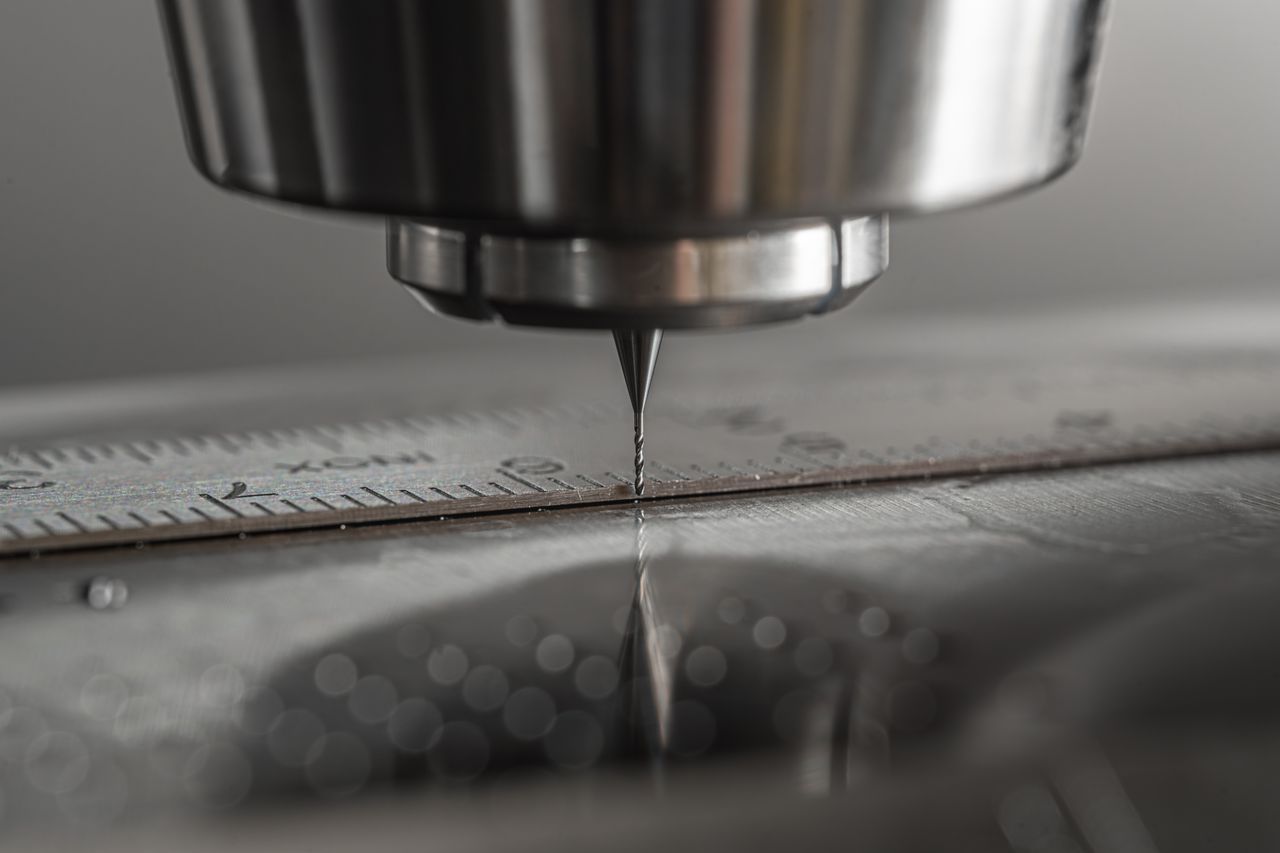
CNC milling machines represent significant assets for any manufacturing facility, yet standard setups often reach operational limits when faced with complex part designs.
Upgrading existing equipment with specialized accessories allows shops to accept challenging jobs without purchasing entirely new machinery. Understanding the full landscape of available tooling attachments helps production managers make clear decisions about workshop expansions.
Adding key accessories improves dimensional accuracy and shortens production cycles on existing machine beds.
Shop Floor Space Management and Workholding Strategy
Workholding strategies dictate how securely a workpiece stays anchored during heavy cutting. Modular vise systems and vacuum tables keep parts stationary while saving room inside the enclosure.
Maintaining proper stability prevents part movement, surface defects, tool breakage, and scrap material. Machine shop managers can source specialized workholding designs through regional tooling distributors or dedicated fixture engineering services.
Thermal Stability and Coolant Delivery Systems
Heat buildup during continuous operations causes metal expansion. High-pressure coolant systems flush chips out of deep cavities while regulating temperature at the cutting zone. Managing thermal shifts protects delicate tool edges and guarantees consistent tolerances across long production runs.
Facilities can purchase these systems or request installation through fluid management contractors and CNC retrofit service providers.
Modular Fixturing Plates
Modular fixturing plates feature standardized grids of threaded holes that streamline setup changes between distinct production jobs.
These grid plates cut setup delays by allowing operators to align clamps quickly. Using standardized plates improves part repeatability and minimizes human error during manual loading routines. Manufacturing plants obtain custom grid designs from tool component manufacturers or specialized machining accessory suppliers.
Controller Software and Macro Programming
Machine control units often contain dormant software features. Custom macro programming enables automated tool paths, complex geometric routines, adaptive feed adjustments, and error logging.
Expanding software capability permits complex machining without altering physical machine structures. Machine owners access these software upgrades through authorized equipment dealers or independent CNC programming consultants.
Mechanical Boring and Facing Heads
Mechanical boring and facing heads perform intricate internal grooving and facing operations on a stationary workpiece. These attachments eliminate the need for dedicated lathe setups when facing wide diameters or stepped bores. Automated mechanical feeds maintain tight surface finishes and precise inner diameters across heavy components.
Companies acquire these specialized heads along with application support from precision tooling distributors and machine accessory integrators, such as Koma Precision.
Precision Workpiece Probes
Spindle-mounted workpiece probes measure part locations automatically. Probing systems send position data directly to the controller to correct misalignment and monitor material stock thickness.
Automated inspection reduces scrap rates while replacing manual measurements with digital accuracy. Shops can order probe hardware and installation packages from metrology equipment vendors or factory integration specialists.
Vibration Damping and Tool Holder Selection
Excessive cutting chatter damages carbide inserts while leaving uneven marks across completed workpieces. Specialized vibration-damping tool holders absorb kinetic energy during deep pocketing and side milling operations. Controlling vibration extends tool life and maintains surface finish quality.
Technical teams source damping holders and custom taper grinding services from industrial tooling suppliers or reconditioning shops.
Right Angle Heads
Right angle heads redirect main spindle rotation to machine side faces and internal cavities. These mechanical attachments allow horizontal drilling and slotting without repositioning the primary workpiece. Eliminating extra part setups prevents radial misalignment and reduces overall handling time.
Facilities source right-angle attachments through regional machine tool importers or specialized angle head service providers.
Multi-Axis Rotary Tables
Adding a rotary table turns standard vertical movement into complex positioning across multiple planes.
Rotating the part during cutting allows access to angled features and contoured surfaces in one setup. Expanding directional movement prevents repositioning errors. Machinists purchase or lease rotary units through authorized machinery dealers and dedicated rotary table service centers.
Off-Machine Tool Presetters
Optical tool presetters measure tool height and diameter offsets outside of the active cutting enclosure.
Measuring tools while the machine runs keeps the spindle active while reducing setup delays between jobs. Accurate offset measurements protect cutting edges and maintain tight tolerances.
Companies obtain optical presetters and calibration support from metrology service providers or dedicated tooling suppliers.
Application Engineering and Custom Integration Services
Combining physical accessories requires tailored machine programming and custom interface wiring.
Application engineers evaluate existing machinery to design integration plans that match specific shop goals. Custom integration optimizes physical tool clearance while preventing mechanical interference inside the machine cabinet.
Machine shops contract these comprehensive services through independent engineering firms or original equipment manufacturers.
Expanding the capabilities of a CNC milling machine is a practical way to handle diverse machining tasks without major capital outlays. Carefully matching the right physical attachments and support services to specific production needs allows workshops to increase versatility while preserving existing equipment assets.
Exploring options like mechanical boring heads, rotary tables, right-angle heads, and probing systems helps shops maintain high quality standards on demanding parts. Working with knowledgeable tooling partners guarantees that every addition delivers reliable performance on the shop floor.
