


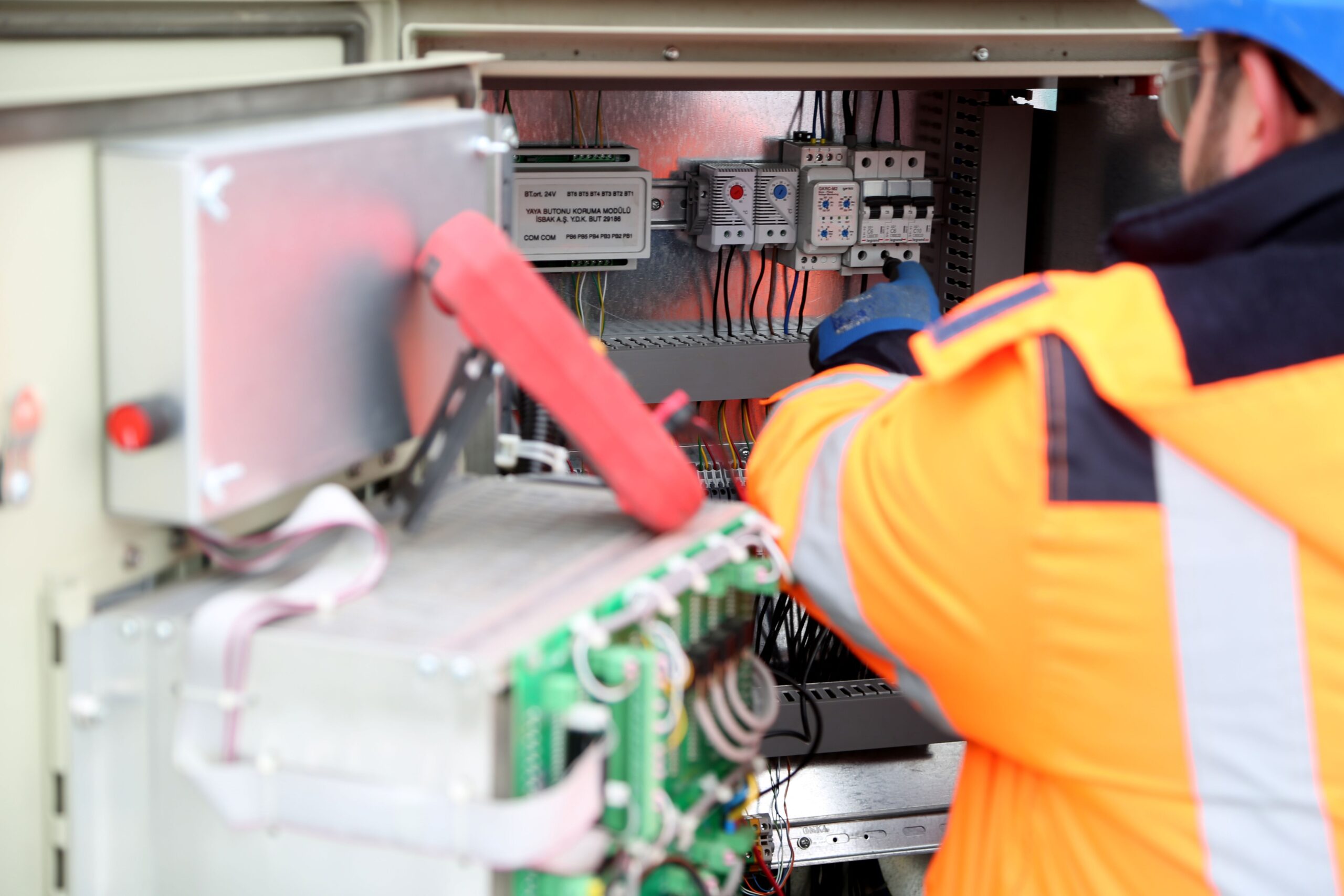
Reliable electricity is essential for facilities that depend on equipment running without unexpected interruptions. A short power loss can affect computers, medical equipment, communication systems, industrial machines, and other important operations. Critical power services focus on keeping electrical systems available, protected, and properly maintained. Understanding the role of these services can help facility managers plan for power problems instead of dealing with them only after an outage occurs.
Assessing Critical Power Needs
Every facility has different electrical requirements, so critical power planning should begin with an assessment of the systems that cannot afford an unexpected shutdown. This may include servers, data storage equipment, security systems, production machinery, medical devices, communication equipment, and other essential loads. Knowing which systems require continuous power helps determine what type of protection is appropriate.
An assessment can also identify weaknesses within an existing electrical setup. Aging equipment, overloaded circuits, poor maintenance, and limited backup capacity can increase the risk of an interruption. Expert critical power services can involve reviewing these conditions and determining where improvements may be needed. A clear understanding of the facility’s power demands makes it easier to plan practical solutions.
Maintaining Backup Power Systems
Backup power equipment provides an alternative source of electricity when the main supply is interrupted. Generators, uninterruptible power supplies, battery systems, and related equipment can help keep important loads operating during an outage. However, simply having backup equipment does not guarantee that it will work when needed.
Regular maintenance is important because backup systems may sit unused for long periods. Batteries can lose capacity, generators may develop mechanical problems, and connections can deteriorate. Scheduled inspections and testing can help identify these issues before an actual outage puts the equipment to the test.
Managing Power Quality Problems
Power reliability involves more than preventing complete outages. Electrical systems can also experience voltage changes, frequency problems, electrical noise, harmonics, and other conditions that may affect sensitive equipment. These problems may cause equipment to shut down unexpectedly, operate poorly, or experience damage over time.
Power quality monitoring can help identify unusual conditions within a facility. Once a problem is located, technicians can determine whether the cause involves equipment, wiring, the utility supply, or another part of the electrical system. Addressing these issues can help protect sensitive loads and support more stable operation.
Protecting Essential Electrical Equipment
Critical equipment needs protection from conditions that could interrupt operation or cause damage. Surge protection, proper grounding, suitable circuit protection, and correctly sized electrical components can all play a role in protecting a facility. These measures should be selected according to the equipment being protected and the conditions within the building.
Protection also depends on proper installation and inspection. A device that is incorrectly sized or poorly connected may not provide the expected level of protection. Electrical systems should therefore be reviewed as a complete setup rather than treating each component as an isolated part.
Testing Critical Power Systems
Testing provides an opportunity to see whether critical power equipment responds as expected. Backup generators may need to start properly under simulated outage conditions, while UPS systems and batteries should be checked for their ability to support connected loads. Testing procedures should follow the equipment manufacturer’s requirements and applicable safety standards.
Testing can also reveal problems that are not obvious during normal operation. A generator may start but fail to carry its expected load, or a battery system may show reduced capacity. Finding these problems during planned testing gives facility teams an opportunity to make repairs before an unexpected power interruption occurs.
Planning For Power Interruptions
Even well-maintained electrical systems can experience unexpected problems. A clear power interruption plan can help employees understand what happens when normal electricity is lost. The plan may cover backup equipment, critical loads, communication procedures, shutdown steps, and the responsibilities of facility personnel.
Emergency planning should also account for the time required to restore normal power. Some facilities may need backup systems for only a short period, while others may require extended operation. Reviewing fuel supplies, battery capacity, equipment access, and service arrangements can help determine whether the existing plan is suitable for the facility.
Maintaining Reliable Power Systems
Critical power services are an important part of managing facilities where electrical interruptions can cause serious operational problems. Regular inspections, equipment testing, power quality checks, backup system maintenance, and emergency planning can help reduce avoidable risks. These tasks are most effective when they are treated as part of an ongoing maintenance plan rather than occasional emergency work.
Reliable power also depends on knowing the specific needs of the facility. By identifying essential equipment, reviewing existing systems, and addressing weaknesses before they cause an outage, facility managers can create a more dependable electrical environment. Careful maintenance and testing can provide a practical way to protect important operations and prepare for unexpected power problems.
