


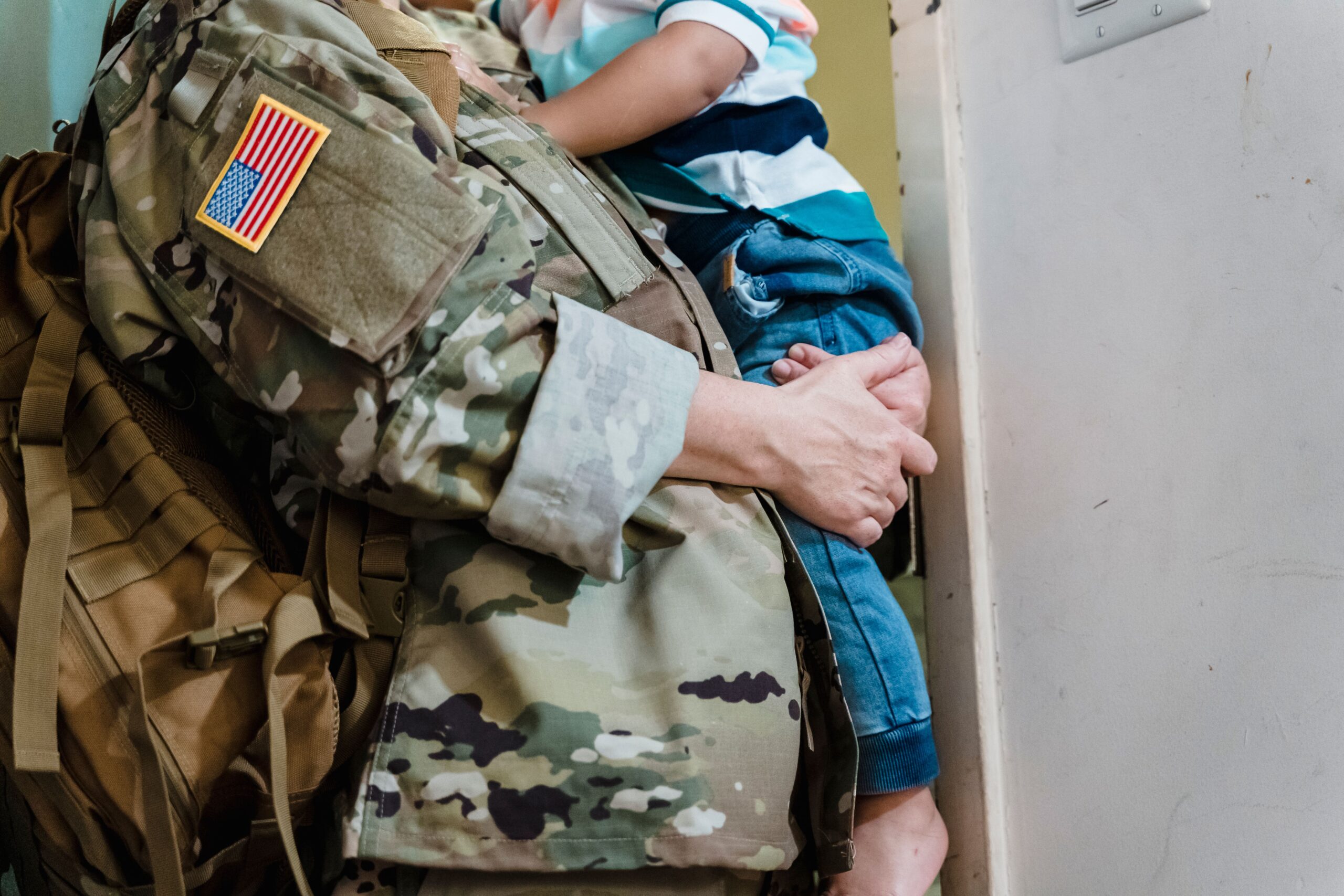
Serving in the armed forces creates unique demands that rarely align with standard legal timelines or predictable custody schedules, making it a complex puzzle for deployed parents to maintain an active role in a child’s life. Navigating these challenges requires clear preparation before orders arrive, because temporary absences can lead to permanent changes in parental arrangements without proper legal structures in place. Fortunately, understanding federal statutes and state protections provides military parents with the essential tools needed to safeguard their legal standing and keep family bonds strong while stationed miles away from home.
Understanding Federal Protections for Deployed Parents
Federal legislation offers significant shields for service members who face court battles while serving on active duty. The Servicemembers Civil Relief Act gives deployed parents the right to pause civil court proceedings when military obligations prevent them from appearing in court. This law prevents courts from granting default judgments or altering existing custody arrangements while a parent remains deployed overseas.
State courts across the country must follow specific guidelines to ensure military service does not penalize a dedicated father or mother. For instance, legal specialists handling military divorce cases often navigate complex statutes like the Uniform Deployed Parent Custody and Visitation Act. Understanding these state rules gives military parents added peace of mind.
This helpful law ensures that temporary custody modifications granted during a deployment automatically expire once the service member returns home safely. Automatic restoration protects the original parenting plan without requiring additional court filings. These legal safeguards ensure that time spent serving the country never undermines parental rights.
Creating Dynamic Temporary Family Plans
Drafting a temporary custody agreement before leaving gives parents control over who cares for their children during deployment. Service members can designate trusted family members, like grandparents, to handle daily routines while they remain stationed abroad. Establishing these clear boundaries prevents misunderstandings between parents and ensures that the child maintains a stable household.
A solid agreement explicitly defines the exact start and end dates of the temporary arrangement. These documents specify that the non-deployed parent or designated guardian handles routine choices like medical care and school activities. Setting clear parameters removes ambiguity and keeps the focus entirely on the child’s daily well-being.
Utilizing Technology to Maintain Consistent Contact
Modern communication tools make staying involved in a child’s life easier, using video calls and shared digital calendars for reading virtual bedtime stories or tracking schoolwork. A predictable routine helps young children feel connected despite the distance, leading courts to include electronic visitation rights directly in temporary custody orders. By requiring non-deployed guardians to facilitate scheduled digital visits, these orders help military parents document their ongoing commitment to active parenting while deployed.
Preparing for Reintegration and Smooth Transitions
Returning home after a lengthy assignment brings immense joy along with a period of natural adjustment for the entire family. Children may need time to adapt back to the presence and daily authority of their returning parents. A gradual step-up plan allows everyone to settle back into normal family dynamics without causing unnecessary emotional stress.
Legal agreements should feature built-in transition periods that outline how physical custody reverts back to the original schedule. These clauses give the returning service member guaranteed time to reconnect with their children without filing new court motions. A well-designed reintegration plan avoids sudden routine changes while restoring the long-term parenting framework.
Securing Knowledgeable Legal Counsel Early
Military family law involves a tricky mix of state regulations and federal statutes. Attempting to manage custody issues without specialized assistance can result in unintended waivers of key legal rights. Partnering with a legal professional who understands military life ensures that official paperwork accounts for sudden schedule shifts. Having an experienced advocate in your corner prevents common oversights during high-stress transitions.
Early consultations help service members assemble comprehensive care plans long before deployment orders get issued. Proactive legal planning removes last-minute panic and allows parents to focus entirely on their upcoming mission. Taking early action avoids costly administrative mistakes during deployment preparations.
Taking these proactive legal steps protects both the parent-child relationship and the peace of mind of the service member. A structured legal approach guarantees that parental rights remain secure throughout any military assignment. These initial efforts establish a strong foundation for long-term family stability.
Ensuring Lasting Stability for Military Families
Active service demands sacrifice, but it should never cost a dedicated parent their rightful place in a child’s life. Utilizing federal protections and detailed temporary agreements allows military parents to maintain strong connections across any distance. Preparation remains the single best defense against unexpected legal hurdles during an overseas assignment.
Proactive legal strategies ensure temporary duty never compromises long-term family bonds. Early action gives children essential continuity while protecting the rights of service members. With proper legal tools, military parents can serve with confidence and keep their families secure.
