


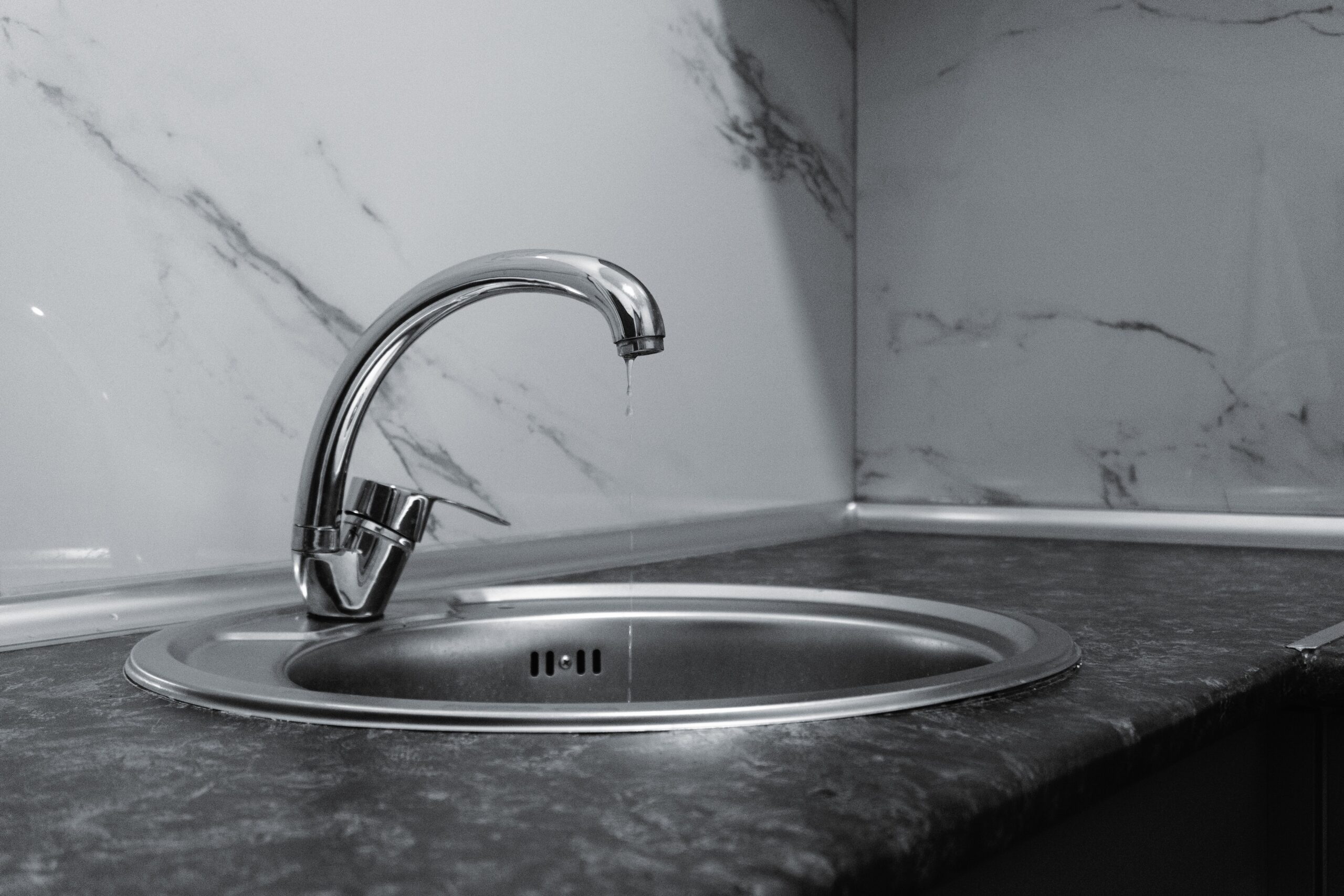
Moving into a new house brings excitement along with a long list of unexpected responsibilities. Most first-time buyers spend weeks inspecting fresh paint and kitchen appliances while completely overlooking the pipes hiding behind the drywall. A quiet house in the middle of the night often reveals subtle sounds that signal brewing trouble beneath the floors.
Learning how to evaluate a home’s water system during quiet hours helps prevent costly late-night disasters. Small drips and low hums might seem harmless when life feels busy during daylight hours. Taking time to investigate these late-night warning signs gives new owners complete control over their home’s long-term health. Developing this simple habit early on saves both money and unnecessary stress over time.
Finding the Main Shutoff Valve Before Trouble Strikes
Every new homeowner needs to know the exact location of their main water control valve, as shutting off the primary supply line instantly can save thousands in water damage. These valves usually sit near the water meter or inside a basement wall near the foundation. Testing the valve during the day ensures it turns smoothly, since old metal handles can corrode over time and freeze up during an emergency. Tagging this handle with a bright ribbon keeps every family member prepared for unexpected leaks.
Listening for Unseen Water Leaks and Phantom Flushes
A running toilet that kicks on by itself at midnight usually points to a worn internal flapper seal. This quiet leak wastes hundreds of gallons of clean water every single month while slowly driving up utility bills. Listening closely to the bathroom fixtures when no one is using water helps catch these silent resource drainers early.
Unusual ticking or knocking sounds inside the walls often point to loose supply pipes or sudden pressure changes. Homeowners who notice strange late-night noises often call an emergency plumber to inspect the system before a loose pipe cracks open. Addressing minor pressure issues early protects internal pipe joints from unnecessary wear and tear. Investigating these subtle sounds right away prevents minor plumbing rattles from turning into major wall repairs.
Checking Water Heater Signals and Temperature Settings
Hot water tanks communicate their age through strange pops or low rumbling noises. Sediment builds up at the bottom over time, trapping water pockets that boil during heating cycles. A noisy water heater usually signals that the appliance needs a thorough flushing to run efficiently again.
Checking the temperature safety valve for small drips prevents major pressure buildup inside the storage tank. Setting the thermostat to a safe temperature protects young family members from accidental scalding while reducing daily energy usage. Taking time to adjust these basic settings optimizes heating efficiency without sacrificing comfort.
Regular visual checks around the base of the tank keep small puddles from rotting out subfloors. Catching minor fitting leaks early prevents rust from eating through the lower metal housing. These simple maintenance habits ensure your water heater operates safely throughout its expected lifespan. Routine monitoring gives homeowners total confidence in their equipment while preventing sudden floor damage.
Inspecting Drainage Speed in Kitchens and Bathrooms
Slow drains in sinks and shower basins point to deep blockages forming farther down the main sewer line. Water that swirls slowly or creates gurgling sounds in adjacent fixtures indicates that air is trapped inside the drain pipes. Catching these slow-moving drains early keeps dirty wastewater from backing up into living spaces during peak usage hours.
Chemical drain cleaners often damage older metal pipes and rarely solve the root cause of heavy clogs. Using simple mechanical drain snakes or biological cleaners breaks down hair and grease safely without eroding pipe walls. Keeping drain covers clean prevents heavy debris from entering the primary plumbing lines in the first place.
Monitoring Water Pressure for Consistent Flow
Excessive water pressure might feel great during a morning shower, but it exerts heavy stress on internal pipe fittings by weakening supply lines under sinks and damaging delicate washing machine valves. Testing household pressure with a gauge attached to an outdoor spigot provides quick peace of mind, allowing homeowners to see if an adjustment is necessary. Installing a pressure-reducing valve keeps incoming force within safe residential limits, which protects expensive appliances from premature failure. Ultimately, maintaining balanced water flow conserves daily usage while extending the lifespan of every fixture in the home.
Staying Ahead of Home Water Disasters
Taking time to understand a home’s plumbing framework builds confidence and protects a major financial investment. Routine late-night checks help catch small drips and strange sounds before they transform into chaotic flooding events. Staying proactive with basic home maintenance keeps family life running smoothly without sudden surprises.
Homeownership requires ongoing attention, but simple preventive steps remove the stress of unexpected plumbing failures. Learning the location of key valves and listening for early warning signs preserves both property value and personal peace of mind. A well-maintained water system keeps every house safe and comfortable for many years to come.
